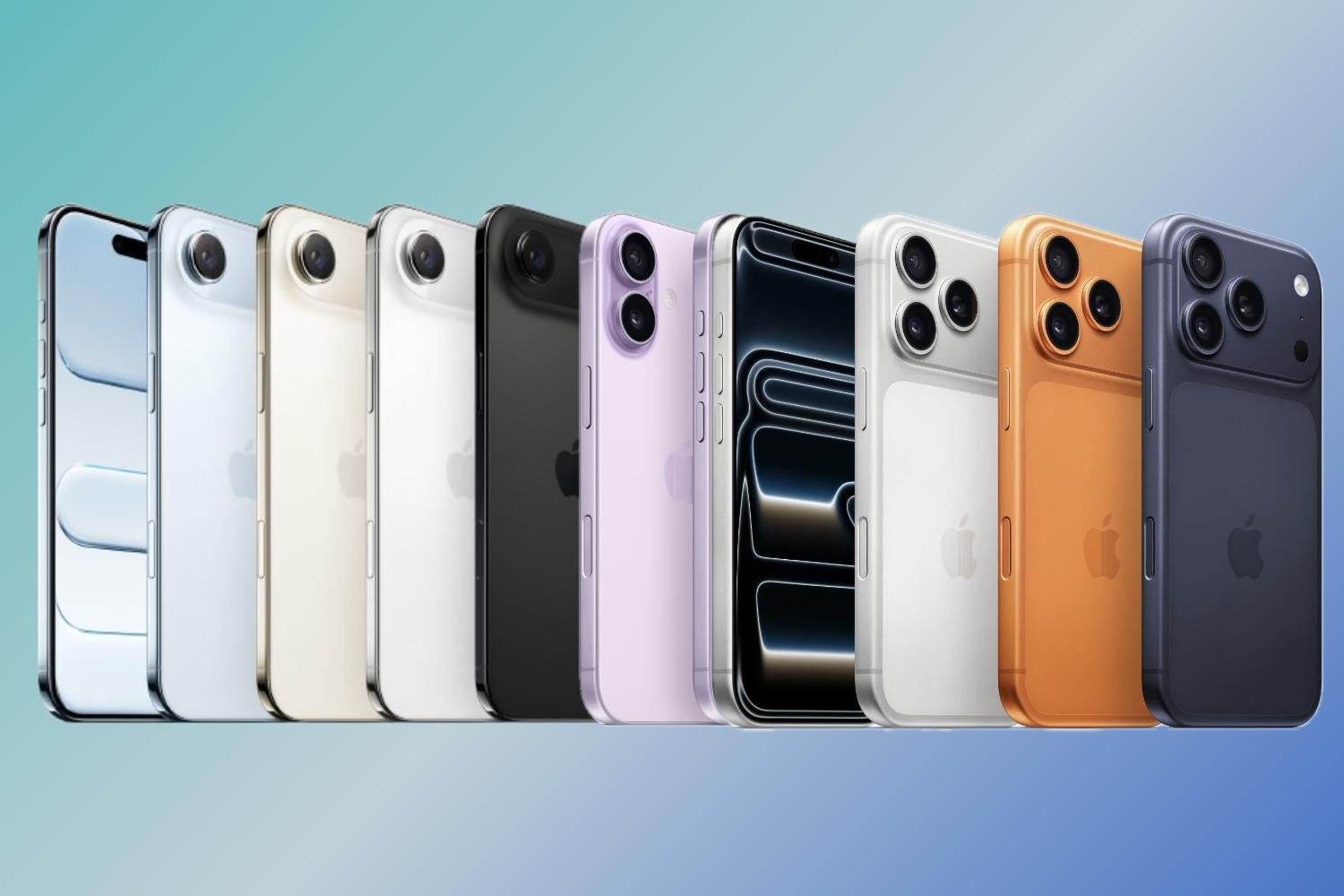
Rising memory and component costs are squeezing smartphone shipments worldwide. Samsung and Apple are weathering the downturn better than several major rivals, according to preliminary IDC data.
The global smartphone market is facing one of its sharpest quarterly contractions in recent years. Smartphone shipments reached 255.3 million units in the third quarter of 2026, down 22% from the same period a year earlier, according to preliminary estimates from International Data Corporation (IDC), published on October 15.
IDC describes the year-over-year decline as the largest recorded for a quarter in the series covered by its report. The research firm points primarily to a memory crisis and escalating component costs, which are putting pressure on manufacturers and forcing them to reconsider pricing and product lineups.
Why are smartphone shipments falling?
Memory has become a major pressure point for the industry. IDC says memory costs have risen by approximately 350% compared with last year. Although the pace of increases slowed during the third quarter, costs remain elevated and continue to weigh on manufacturers’ margins.
Part of this pressure is connected to growing demand for AI infrastructure, which is reshaping the component market. However, the smartphone downturn should not be attributed to AI alone. Device prices, consumer purchasing power, component availability and manufacturers’ own decisions also influence shipment volumes.
When production costs rise, manufacturers have several options: absorb the expense through lower margins, raise retail prices, reduce specifications on selected models or scale back their budget offerings. For consumers, that could mean fewer affordable choices and more expensive devices.
Samsung and Apple gain share in a shrinking market
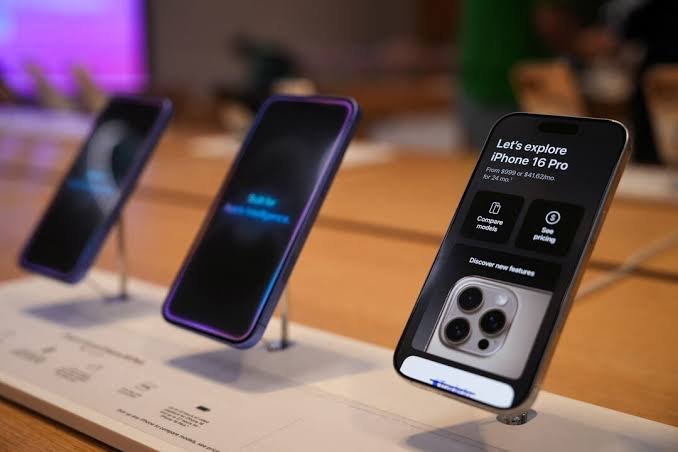
IDC’s preliminary figures show Samsung shipping 57.8 million smartphones in the third quarter, giving it a 22.6% share of the global market. Apple followed closely with 57.3 million units and a 22.4% share.
That does not mean either company shipped more devices than a year ago. Samsung’s shipments fell 5.8%, while Apple’s declined 4%. Their market shares increased because several competitors experienced much steeper drops.
Xiaomi shipped 30.7 million units, down 29.2% year over year. OPPO fell 34.5% to 25.6 million units, while vivo declined 31.5% to 19.1 million.
The figures suggest that the downturn is affecting manufacturers unevenly. IDC argues that companies with stronger premium portfolios, greater scale and more secure component supply may be better positioned to navigate the period. One quarter, however, cannot guarantee that this advantage will last.
What does this mean for buyers?
If manufacturers pass higher costs on to consumers, buyers could face higher prices, fewer budget models or compromises in specifications. Another possible consequence is that people will keep their current phones longer instead of upgrading every two or three years.
IDC expects market growth to remain constrained through 2027, with a potential recovery not arriving before 2028. This is a research forecast, not a guaranteed outcome. The firm also cautions that its third-quarter shipment figures are preliminary and may change.
For people planning to buy a phone, the environment makes it more important to compare price, battery life, software-support commitments and real-world performance rather than paying more simply for flagship specifications. Seasonal promotions may offer savings, but there is no guarantee that prices will fall in the near future.
TheTechSpot Take
A 22% decline is a serious warning for the smartphone industry, but it does not necessarily mean consumers have lost interest in phones. The figures point to a combination of rising costs and pressure on demand. Manufacturers that depend heavily on low-priced models may have less room to absorb additional expenses.
For consumers, the main risk is that the budget segment becomes less attractive, with fewer models, tighter specifications or higher prices. For now, IDC’s numbers are preliminary estimates. Final shipment data and results from coming quarters will help show whether this is a temporary shock or a more lasting shift in the smartphone market.