
By TheTechSpot Editorial Team
August 20, 2026
The next Snapdragon generation is coming
Qualcomm Teases Two New Snapdragon Chips That Could Redefine Android Phones. The Android smartphone market is preparing for another major performance battle.
Qualcomm has officially begun teasing its next-generation Snapdragon 8 Elite processors, confirming that two new chips will be introduced at the company’s Snapdragon Summit in September.
The company is calling the upcoming lineup “Dual 8 Elites”, suggesting that smartphone manufacturers will have two high-end options to choose from.
Qualcomm’s teaser points toward improvements in connectivity and graphics performance, while the company is keeping most technical specifications secret for now.
That has not stopped the technology industry from speculating about what is coming next.
Two flagship chips instead of one
Qualcomm’s decision to tease two chips is one of the most interesting aspects of the announcement.
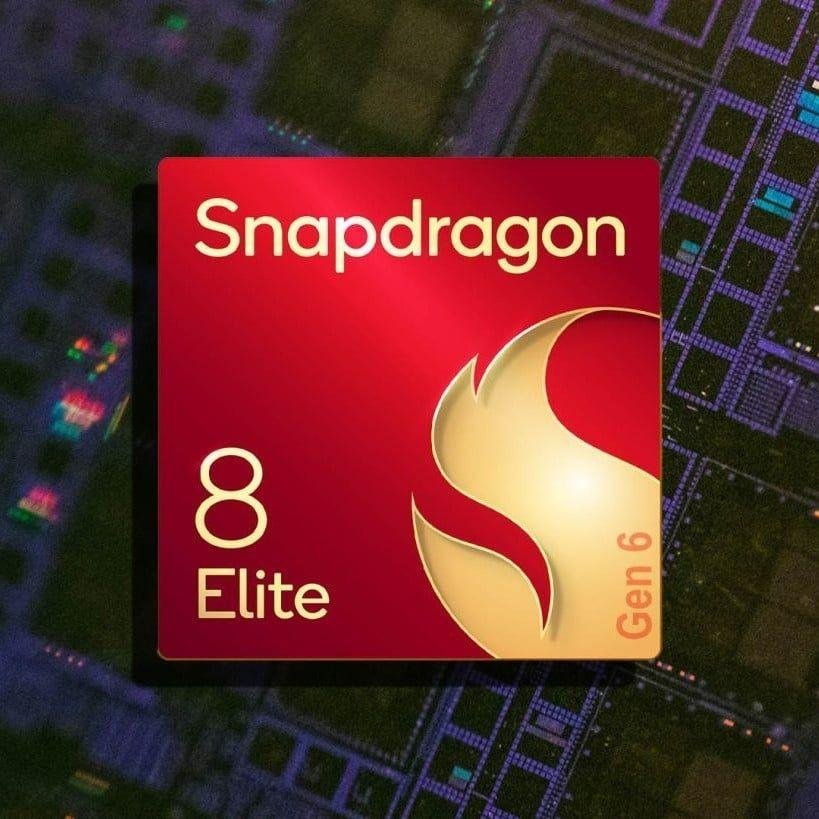
The company has not yet publicly confirmed all specifications or final product names, but industry expectations point toward a Snapdragon 8 Elite Gen 6 and a more powerful Snapdragon 8 Elite Gen 6 Pro.
The difference could allow Android manufacturers to create different levels of premium smartphones.
One processor could target conventional flagship devices, while the Pro version could be reserved for the most expensive models.
That would give manufacturers greater flexibility when designing their 2027 smartphone lineups.
Android Authority reports that Qualcomm’s teaser specifically promotes two new Snapdragon 8 Elite processors and points to improved connectivity and graphics performance.
September 22 could be a major day for Android

Qualcomm’s Snapdragon Summit is scheduled to take place in Maui, Hawaii, from September 22 to September 24.
The first major announcements are expected on September 22.
The event traditionally attracts smartphone manufacturers, technology companies, developers and industry analysts.
The new chips could eventually appear inside flagship smartphones from companies such as Samsung, Xiaomi, OnePlus and other major Android manufacturers.
That means Qualcomm’s announcement is not just about processors.
It could influence the specifications of an entire generation of smartphones.
Performance is only part of the story
Modern smartphone processors are no longer judged simply by CPU speed.
Today’s flagship chips need to handle a much wider range of tasks.
They power:
- artificial intelligence;
- gaming;
- photography;
- video recording;
- connectivity;
- security;
- multitasking;
- and increasingly sophisticated on-device applications.
Qualcomm’s teaser specifically highlights the next generation’s connectivity and GPU capabilities.
That could be particularly important for gamers.
Mobile games are becoming increasingly demanding, with higher-resolution graphics, advanced lighting effects and increasingly complex environments.
A more powerful GPU could allow smartphones to behave more like dedicated gaming devices.
AI will be another major battleground
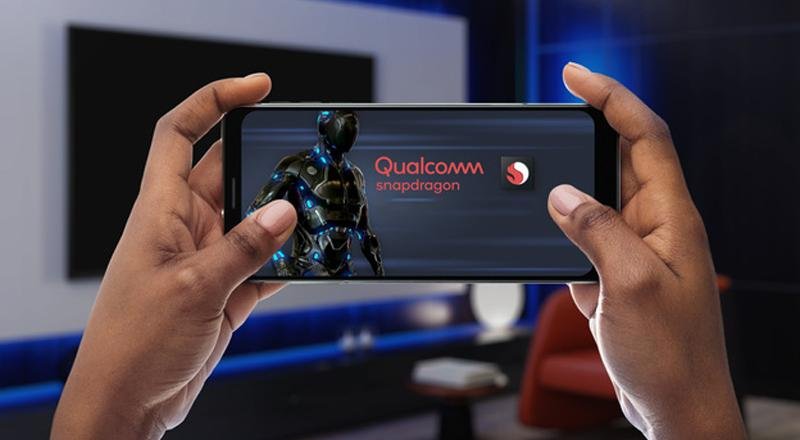
The smartphone processor is also becoming the engine behind AI features.
Instead of sending every AI task to a cloud server, modern phones can perform many operations directly on the device.
That includes:
- image enhancement;
- voice recognition;
- translation;
- generative editing;
- text processing;
- personalized assistants;
- and intelligent camera features.
This makes the processor’s AI capabilities increasingly important.
Qualcomm’s next-generation chips will therefore be competing not only on traditional performance but also on how efficiently they can run AI workloads.
The 2nm question
One of the biggest rumors surrounding the upcoming Pro chip concerns manufacturing technology.
Industry reports expect the more powerful Snapdragon 8 Elite Gen 6 Pro to potentially use TSMC’s 2nm process, although Qualcomm has not yet confirmed those details.
A smaller manufacturing process can potentially allow more transistors to fit into the same physical area while improving efficiency.
If the reports prove accurate, the move to 2nm could represent a significant technological step for Android flagship devices.
But there is an important caveat:
Qualcomm has not officially confirmed all of these specifications yet.
The final details will have to wait until the Snapdragon Summit.
Higher performance could also mean higher prices
There is another issue that smartphone buyers should watch.
Qualcomm CEO Cristiano Amon has reportedly indicated that the company expects to pass on a double-digit price increase because of higher wafer and input costs.
That could have consequences for consumers.
Smartphone manufacturers rarely absorb every increase in component costs.
If flagship processors become significantly more expensive, manufacturers may have to choose between:
higher retail prices
or
lower profit margins.
For consumers already facing expensive flagship phones, this could become a major issue.
Samsung and other Android manufacturers will be watching
The Snapdragon platform is particularly important for premium Android smartphones.
Manufacturers can use Qualcomm’s chips as the foundation for their flagship models while focusing their own engineering efforts on cameras, displays, software and industrial design.
That means the performance of the new Snapdragon generation could influence the entire Android market.
If the Gen 6 series delivers a significant improvement in efficiency and graphics, manufacturers will have another reason to compete aggressively on premium devices.
Gaming could receive a major boost
Mobile gaming is becoming one of the most demanding applications for smartphones.
Modern flagship phones already support high-refresh-rate displays and sophisticated graphics.
The next Snapdragon generation could push this even further.
A stronger GPU could potentially allow developers to bring console-style visual effects to mobile platforms.
Qualcomm’s teaser specifically emphasizes what it describes as exceptional GPU performance, making gaming one of the areas to watch closely.
For gaming-focused phones, this could be particularly important.
Connectivity is becoming just as important
Smartphone performance is no longer only about what happens inside the phone.
Users increasingly expect fast and reliable connections everywhere.
The new Snapdragon platform is expected to bring improvements to connectivity alongside processing and graphics.
That could benefit:
- 5G performance;
- Wi-Fi;
- Bluetooth;
- gaming latency;
- cloud services;
- streaming;
- and connected accessories.
As smartphones become the central hub for more devices, connectivity is becoming a critical part of the processor.
The smartphone arms race continues
Apple has its own silicon strategy.
Google continues developing Tensor chips for Pixel devices.
MediaTek is competing aggressively with its Dimensity platform.
Qualcomm, meanwhile, remains one of the most important suppliers for premium Android smartphones.
The next Snapdragon generation therefore arrives at a critical moment.
The industry is moving toward phones that are increasingly:
AI-powered, gaming-focused, connected and locally intelligent.
The processor sits at the center of all four trends.
What consumers should expect
If Qualcomm follows its current trajectory, the next generation of flagship Android phones could bring improvements in several areas simultaneously.
Users may see:
Faster performance
Better gaming graphics
More capable AI features
Improved connectivity
Greater energy efficiency
More powerful cameras
But there is one potential downside.
Flagship smartphones could become even more expensive.
The cost of advanced semiconductor manufacturing is increasing, and manufacturers have to decide how much of that cost will reach consumers.
Qualcomm’s announcement may look like a routine processor teaser.
It isn’t.
The smartphone industry is approaching a point where the processor determines much more than raw speed.
It controls the AI experience.
It influences camera capabilities.
It determines gaming performance.
It affects battery efficiency.
And it increasingly manages the connectivity between the phone and the rest of the user’s digital world.
The Dual 8 Elite strategy could therefore be one of Qualcomm’s most important moves in years.
If the company delivers a major jump in performance and efficiency, Android manufacturers will have a powerful new platform for their next flagship devices.
And if the rumored Pro version really moves to a 2nm manufacturing process, the gap between today’s smartphones and the next generation could become much more noticeable.
September 22 is the date to watch.
That’s when Qualcomm is expected to reveal exactly what its next generation of Snapdragon processors can do.