

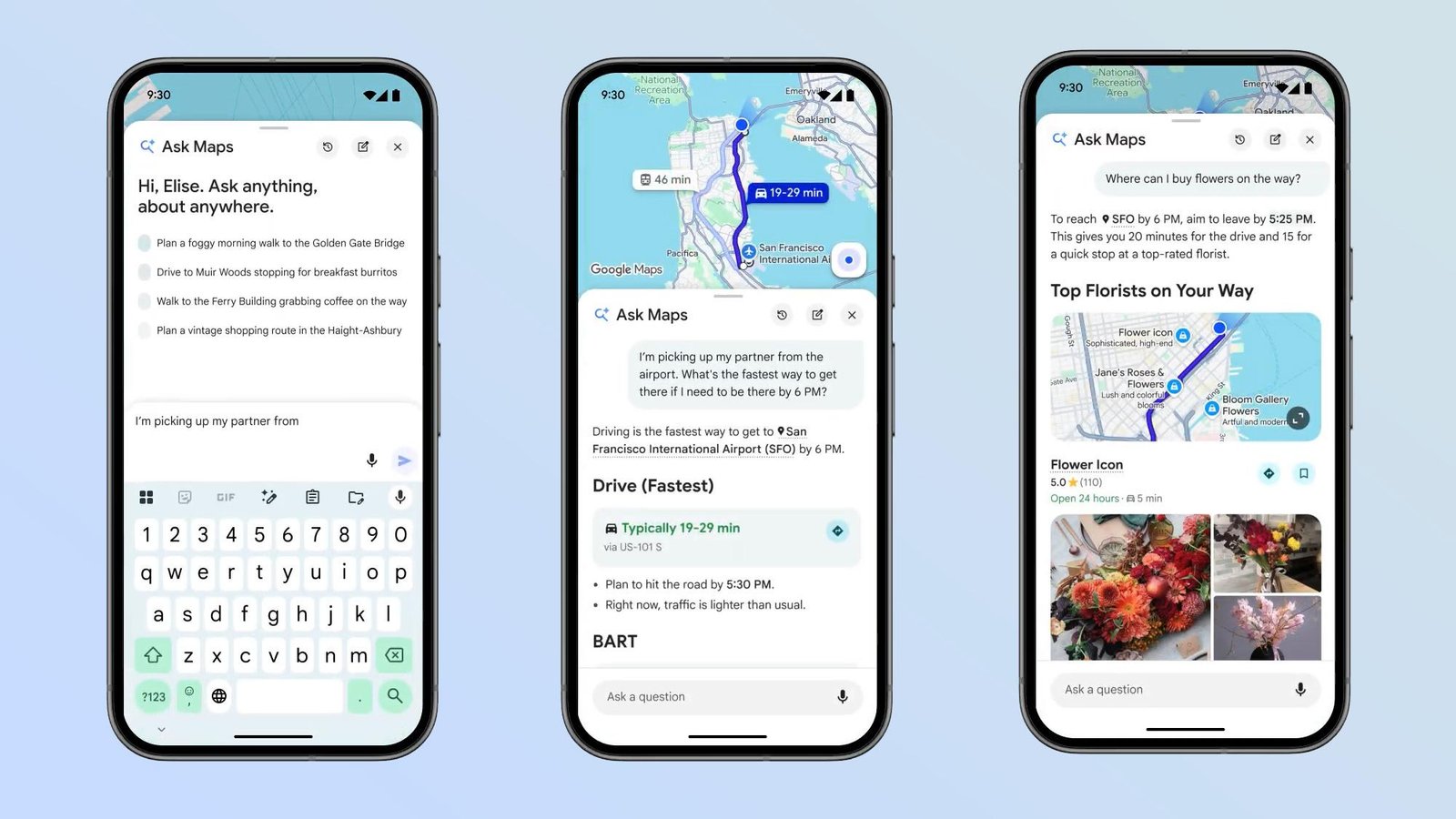
Google is expanding the capabilities of Google Maps with new AI-powered tools designed to make travel planning and everyday errands easier. Announced on November 16, 2026, the latest Ask Maps update introduces custom trip itineraries, improved access to saved places, and new tools for finding local appointments.
The update is arriving on Android and iOS, with Google expanding Ask Maps to additional countries across Europe.
Google Maps can now build multi-day travel itineraries
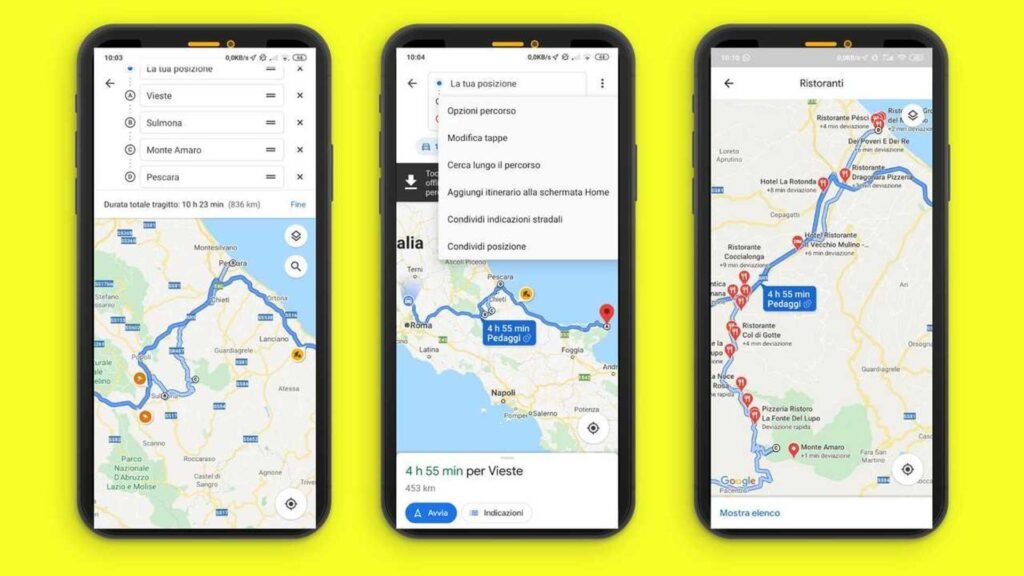
Google Maps displaying an AI-generated multi-stop travel itinerary.
One of the biggest additions is the ability to create detailed travel plans directly inside Google Maps.
Users can ask Ask Maps to organise a day trip or a more complex journey, including a multi-day road trip with several stops. The system can generate a day-by-day schedule featuring places to visit, restaurants, shopping destinations and outdoor activities.
The itinerary includes numbered map pins, making it easier to understand the order of destinations and visualise the route.
Google says users can share their plans with friends and family. They can also export itineraries to Google Docs on desktop, making it easier to organise a trip with other people.
The plans are not meant to remain static. Users can return to an itinerary and ask Maps to add another stop, such as a restaurant or scenic viewpoint, while adjusting the schedule.
Real-time information while travelling
Google is also connecting itineraries more closely with the live information already available in Maps.
When users open a saved itinerary, they can access details such as current traffic conditions and whether a destination is open. They can also request directions to the next stop directly from the plan.
The company is adding more route information through its “Know before you go” feature. Depending on availability, this can include parking locations, electric vehicle charging options, weather conditions, possible delays and toll information.
These details could make the feature particularly useful for people planning longer journeys, where changing traffic or opening hours can affect the entire schedule.
Ask Maps can help find appointments
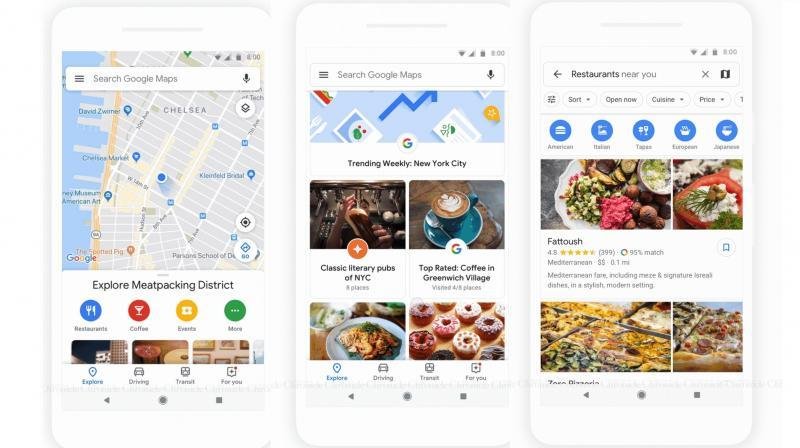
The update also introduces agentic capabilities for certain everyday services.
Users in supported markets can ask Maps to find appointments for services such as beauty treatments, pet care, car maintenance and home repairs.
For example, someone could ask for a 4 p.m. appointment at a nearby salon. Maps can then search for available options and display appointment slots.
Google says the feature can also contact local businesses on the user’s behalf. Availability and the services supported may vary by location.
Saved places become easier to search
Another addition focuses on the lists users have already created in Google Maps.
Instead of manually browsing saved restaurants, attractions or other locations, users can ask conversational questions about the places in their lists.
For example, someone hosting visitors could ask which saved restaurants have availability for a group of five within the next 30 minutes.
This makes saved lists more useful as practical planning tools rather than simple collections of bookmarked locations.
Where are the new features available?
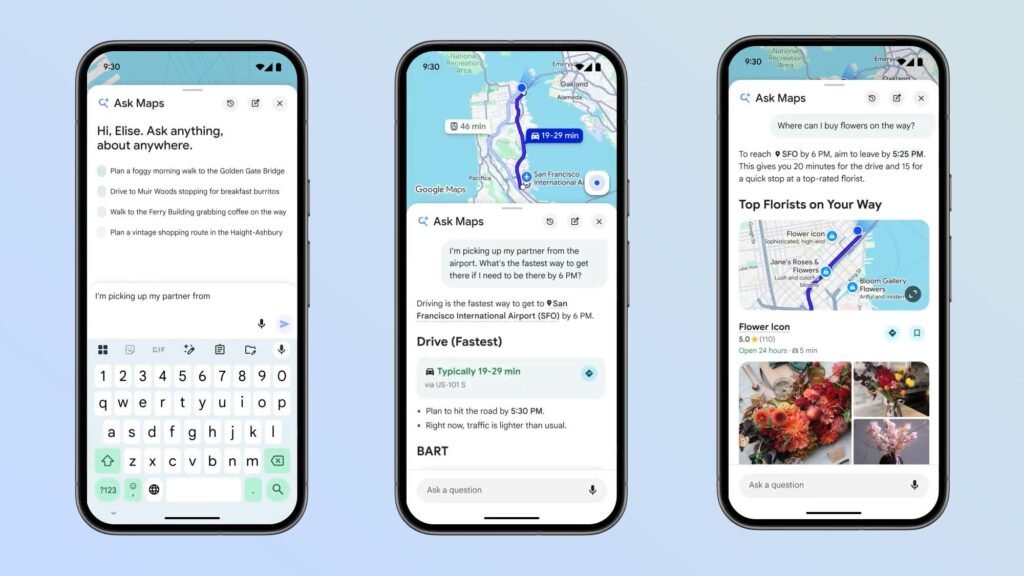
Google says the new Ask Maps capabilities are beginning to roll out on Android and iOS on November 16.
The company is expanding Ask Maps to 30 additional European countries, including Spain, Germany and the United Kingdom, taking its availability to more than 200 countries and territories.
However, not every feature is launching everywhere at the same time. Travel itineraries and saved-list search are available wherever Ask Maps is supported, while route tips and appointment-finding capabilities are launching first in the United States, with other regions expected to follow.
For users in Albania, the important distinction is that the broader expansion does not automatically mean every new feature will be immediately available locally.
A bigger role for AI in everyday navigation
The update shows how Google wants Maps to become more than a navigation app. By combining conversational AI, saved locations, real-time information and appointment discovery, the company is turning the service into a more active travel and planning assistant.
The most useful change may be the ability to build and modify an entire itinerary without switching between several travel apps. Whether the experience becomes dependable enough for complex journeys will depend on the accuracy of its recommendations and the availability of local information.
For now, Google’s announcement signals another step toward making AI a more visible part of everyday software.


