


Britain’s competition regulator proposes lower access fees and fewer technical barriers for rival services seeking to use the iPhone’s contactless technology. Apple warns that the changes could weaken privacy and security protections.
The UK Competition and Markets Authority (CMA) has proposed new measures intended to make it easier for other companies to use the iPhone’s contactless payment technology. Announced on October 20, 2026, the proposals begin a public consultation; they are not final rules taking effect immediately.
The CMA says Apple’s fees, terms and technical restrictions on access to near-field communication (NFC) technology may make it too costly or difficult for companies to develop alternatives to Apple Pay in the UK. The proposals aim to reduce access fees and give developers more options for building digital wallets and other contactless services.
What is NFC, and why does it matter?
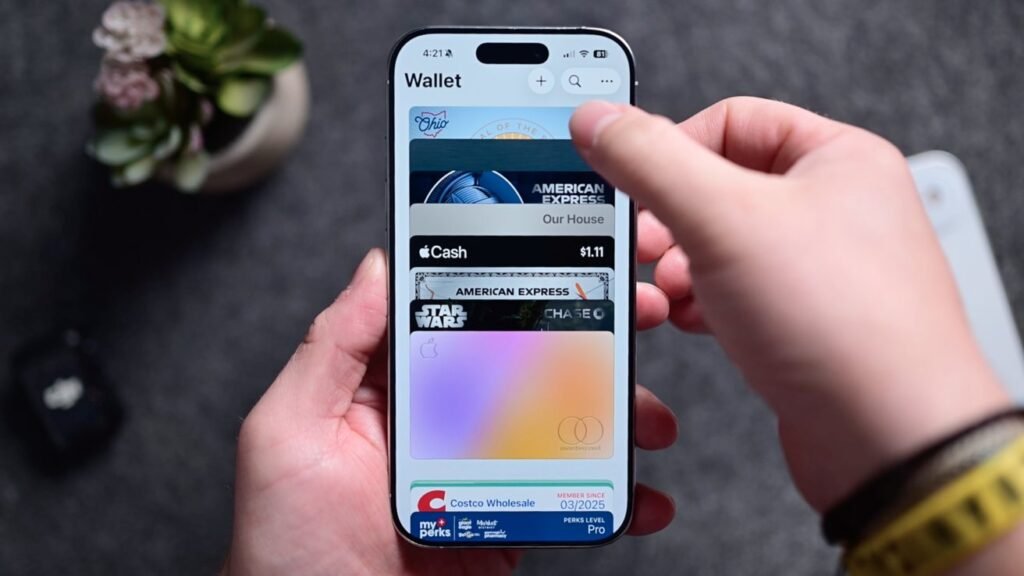
Near-field communication, or NFC, is a short-range wireless technology that allows devices to exchange data when brought close together. On smartphones, it is used for contactless payments, transit passes and some types of digital credentials.
On the iPhone, the way third-party apps can use NFC for these services has become a regulatory issue. The CMA says Apple’s current arrangements have not yet created sufficiently favourable conditions for competing wallet providers in the UK market.
The regulator proposes requiring Apple to support the two main approaches used for NFC services: the Secure Element (SE), which stores sensitive information on the device, and Host Card Emulation (HCE), which allows card emulation through an application-based architecture and associated services. These are established industry technologies, not standards created exclusively by Apple.
Why is the CMA intervening?
According to the regulator, businesses have reported that Apple’s fees, contractual terms and technical restrictions make it difficult for competing products to operate on a commercially viable basis. The barriers could affect not only payment apps but also other products, including transit passes, digital identities and electronic keys.
The CMA says new alternatives for iPhone payments have emerged in the European Union following regulatory changes, including services from PayPal, Klarna, Curve and BBVA. According to the regulator, no comparable rival wallet product has yet launched in the UK to compete directly with Apple Wallet in the same way.
The CMA also highlights how important contactless payments have become in everyday British life. Figures cited by the regulator show they accounted for 39% of all payments in 2025, compared with just 3% a decade earlier. More than 60% of adults in the UK use a digital wallet.
What does Apple say?
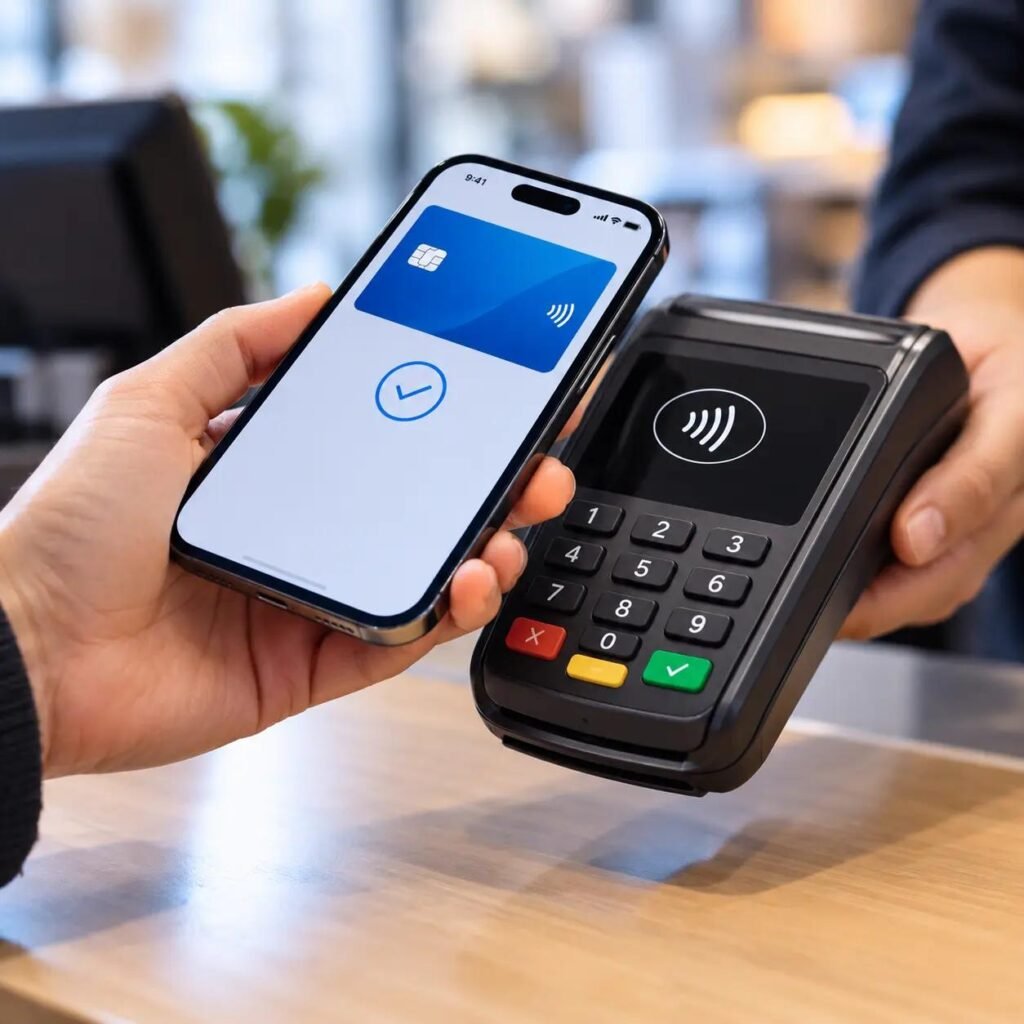
Apple disputes the idea that its current arrangements prevent competition. The company says developers can already offer contactless services through its NFC and Secure Element platform, including in-store payments, transit passes and event tickets.
Apple warns that new requirements should not lead to lower standards for data protection and user security. The company argues that sensitive information, including payment-card data and cryptographic keys, requires strong safeguards.
This is Apple’s position on the proposals; it does not, by itself, prove that the proposed changes would be less secure. Similarly, the CMA’s view that fees and restrictions are limiting competition is the regulator’s position during the consultation. The outcome will depend on its assessment of the evidence and responses from interested parties.
What happens next?
The CMA’s public consultation remains open until November 17, 2026. After reviewing responses, the regulator will decide on the next steps. Until then, the proposals should not be treated as final rules, and they do not guarantee that a new alternative wallet will immediately become available to UK iPhone users.
If the proposals are adopted and implemented, they could give banks, fintech companies and other developers more room to offer alternatives to Apple Pay. For users, that could mean more choice, although the practical benefits will depend on which services companies decide to launch and on the final access terms.
TheTechSpot Take
This development is about more than payment apps. It concerns how much control a phone manufacturer exercises over core device functions and how easily other companies can compete.
A more open market could encourage innovation and expand consumer choice, but digital payments require robust protection against fraud and data misuse. The central question is whether the regulator can create fairer competitive conditions without weakening security safeguards.
For now, this is a regulatory proposal, not a completed change to the iPhone. The November 17 consultation deadline and the decision that follows will be the key milestones to watch.


