

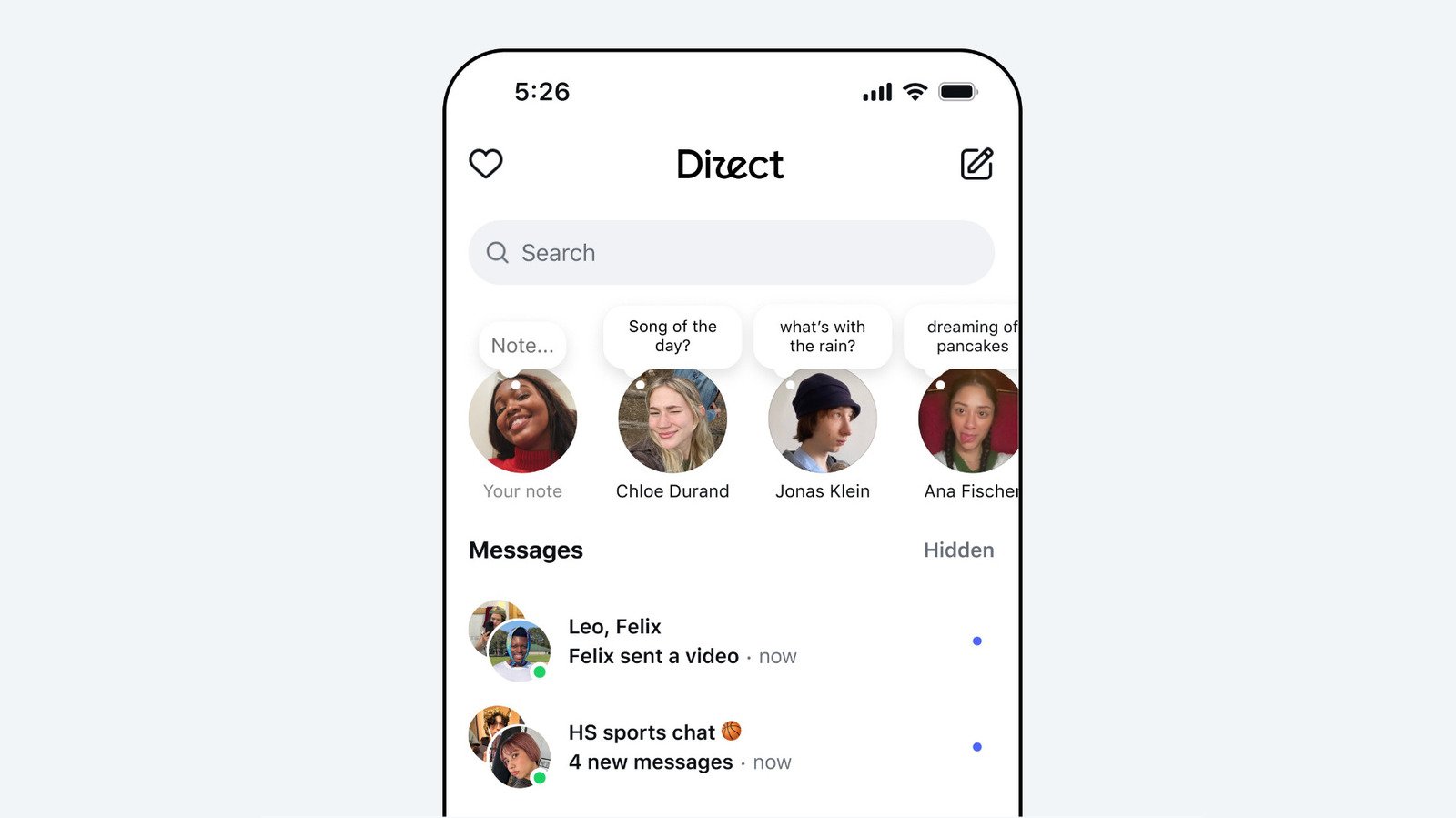
Meta is testing Direct, a separate messaging app built around Instagram’s direct messages, initially in Türkiye and Thailand. The move could help the company retain users who want to chat without spending time on the main social network.
Meta is testing a new standalone messaging app called Direct, bringing Instagram’s private conversations into a separate application that can be used even without an existing Instagram account.
The initial rollout is limited to Türkiye and Thailand on Android and iOS. Meta has not announced when the app might reach other markets, making it too early to know whether Direct will become a global product or remain a limited experiment.
The launch nevertheless signals a potentially important change in how Meta wants people to use its social platforms: messaging is increasingly being treated as a product in its own right, rather than simply another feature inside a larger social network.
What is Direct, and how does it work?
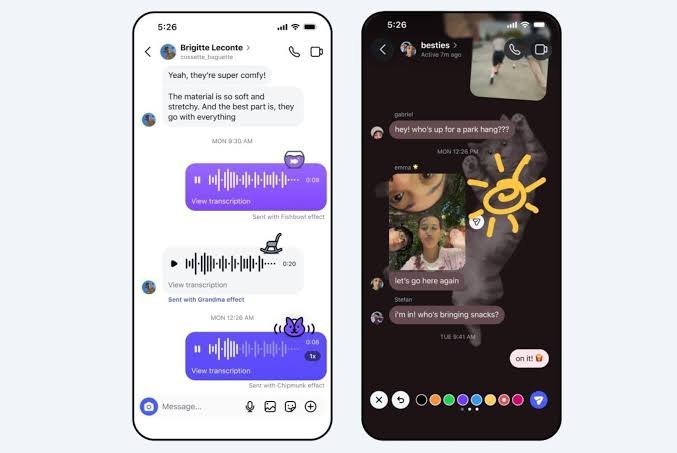
Direct is designed for one-to-one and group conversations. People who already have Instagram accounts can sign in using their existing credentials, with their conversations synchronised between Instagram and Direct.
However, an Instagram account is not compulsory. Users in the test markets can register with an email address or phone number.
There is a practical difference between the two registration options. People using Direct without an Instagram account must add contacts manually, either by entering an exact Instagram username or scanning a QR code in person. This means the standalone experience is not entirely independent of Instagram’s existing identity system.
The app includes familiar messaging tools, alongside several creative features:
- Draw: Users can sketch directly inside conversations.
- Notes: Short status updates appear at the top of the inbox.
- Stickers: Users can create personalised stickers.
- Voice effects: Audio replies can be modified with effects.
- Themes: Chat backgrounds can be customised.
These features are intended to make conversations more expressive, while keeping the app focused on private communication rather than the broader Instagram feed.
Why is Meta separating messaging from Instagram?
The decision reflects the growing importance of private messaging in social media.
Instagram is no longer used only to publish photographs, watch Reels or follow creators. For many people, it has also become a daily communication service, where conversations with friends and family can be more important than public posts.
A separate application could appeal to people who primarily use Instagram for its inbox but would prefer not to open the main app every time they want to send a message.
It could also help Meta keep those users within its ecosystem. If someone gradually stops browsing Instagram but continues using its messaging service, a dedicated app gives Meta another way to maintain that relationship.
There is also a strategic advantage in allowing people without Instagram accounts to join Direct. The company could potentially reach users who are interested in messaging but do not want to create a traditional Instagram profile.
That opportunity comes with a challenge: convincing people to install another messaging app when WhatsApp, Messenger and other established services already compete for their attention.
Could Direct compete with WhatsApp?

The launch inevitably raises questions about the relationship between Direct and WhatsApp, which is also owned by Meta.
The two products have overlapping functions, but their identities are different. WhatsApp is widely used as a phone-number-based messaging service, while Direct is closely connected to Instagram usernames, contacts and its social network.
For now, Direct appears to be aimed at people whose social connections already exist on Instagram. It is not yet clear whether Meta intends to position it as a broader alternative to WhatsApp.
The company also has to avoid creating confusion between multiple messaging products. Users may question why they need separate applications for conversations that could potentially be handled in one place.
Meta has not announced a plan to merge Direct with WhatsApp or replace Instagram’s existing inbox. For now, the product should be understood as a test, not a confirmed change to the company’s entire messaging strategy.
Safety and parental controls
Meta says Direct includes protections from the beginning of the test.
According to the company, only contacts and people users are already connected with can initiate conversations or add them to group chats. Users can also report, block, restrict or remove contacts.
The company says it will use technology to detect and respond to potentially inappropriate interactions involving young people. Parents will be able to use supervision tools to see who their teenagers are messaging, adjust safety settings and set daily time limits.
Users must be at least 13 years old. Meta says it will attempt to identify accounts that may belong to children below that age and require age verification where necessary.
Teenagers who sign in using their existing Instagram credentials will receive the same messaging protections applied to Instagram Teen Accounts.
These are important safeguards, but the announcement does not explain every detail of how detection systems will work or how effectively they will identify harmful interactions. Their real-world performance will need to be assessed as the app develops.
What happens next?
The most important question is whether people actually want another messaging application.
Direct addresses a recognisable use case: users who value Instagram conversations but do not necessarily want the rest of the platform. If the experiment attracts enough interest, Meta could consider expanding it to additional countries.
But the company has not provided a global launch date, and there is no guarantee that the test will become a permanent, widely available product.
For now, Direct offers a glimpse into Meta’s broader strategy. Instead of treating messaging as a secondary feature of Instagram, the company is testing whether it can become a standalone destination — one that keeps conversations, contacts and users inside Meta’s ecosystem even when they choose not to use the main social network.


