The Sea Is Heating Up: Marine Heatwaves Are Reshaping Europe’s Fisheries
A change is happening beneath the surface
While extreme weather on land receives most of the attention, another major change is taking place beneath the ocean surface.
Marine heatwaves in Europe are becoming more intense, changing the conditions in which fish and other marine organisms live.
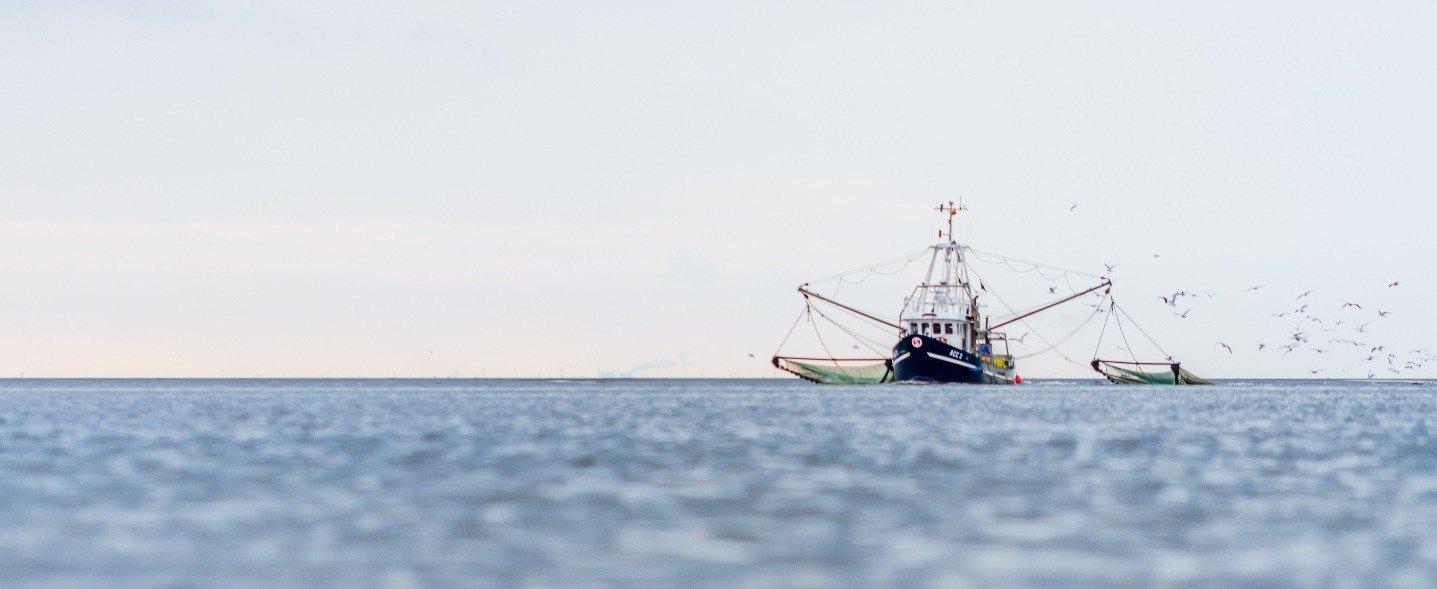
Reuters reported on September 26 that the intensification of these events is putting pressure on European fisheries because unusually warm waters can alter species distribution and marine ecosystems.
This is not simply a story about water temperature.
It is a story about food, coastal economies and how marine ecosystems function.

What is a marine heatwave?
A marine heatwave occurs when ocean temperatures remain well above the normal range for a particular location and time of year.
It is not simply one unusually hot day.
The key factor is duration.
When water remains unusually warm for an extended period, organisms adapted to a specific temperature range may:
- move elsewhere;
- change their behavior;
- seek different food sources;
- migrate toward cooler waters;
- or, in extreme cases, experience higher mortality.
That creates a chain reaction.
Fish do not necessarily stay where they always have
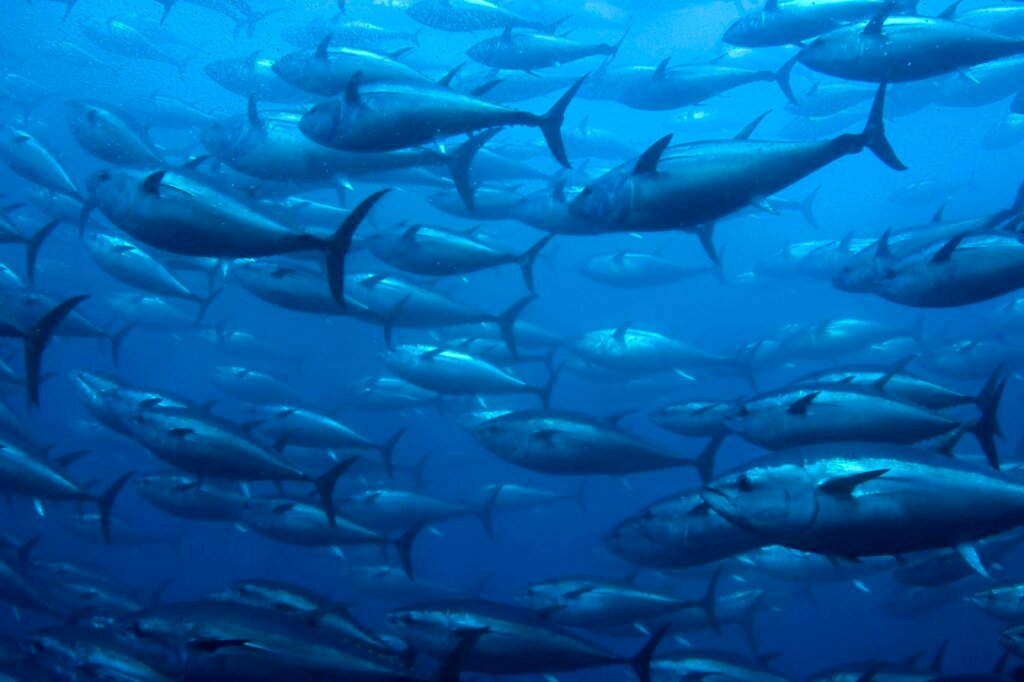
One of the most important effects is a change in the distribution of species.
A fish that prefers cooler water may move northward or into deeper waters.
Meanwhile, species normally associated with warmer conditions may appear in regions where they were previously less common.
For an ecologist, this is a habitat shift.
For a fisherman, it can be much more concrete:
the place where fish are found may no longer be the place where they have been found for decades.
Reuters links the intensification of marine heatwaves with growing pressure on European fisheries and marine ecosystems.
Why does this affect food?
Fish are an important part of diets across Europe.
But the chain does not begin with the fish arriving at a market.
It begins with much smaller organisms:
phytoplankton → zooplankton → small fish → larger fish → humans.
When ocean temperature changes, the production and distribution of those organisms can change as well.
That can affect the entire food web.
A change that initially looks like nothing more than warmer water can therefore end up changing where fishing takes place and what species are caught.
The Mediterranean is particularly important
The Mediterranean is one of the regions where temperature changes matter greatly.
It is relatively enclosed compared with the open oceans and contains a rich range of marine life.
At the same time, its coastline is densely populated and heavily connected to tourism and fishing.
That means ecosystem changes do not happen in isolation.
They can directly affect human communities.
The problem is not just temperature
A common assumption is that if a fish can move toward cooler waters, the problem is solved.
Marine ecosystems are much more complicated.
One species may move while its food source does not move at the same time.
A predator may follow its prey.
Another species may benefit from the new conditions.
And another may have no realistic way to move.
That can create new patterns of biological competition.
Fishermen are facing a new map
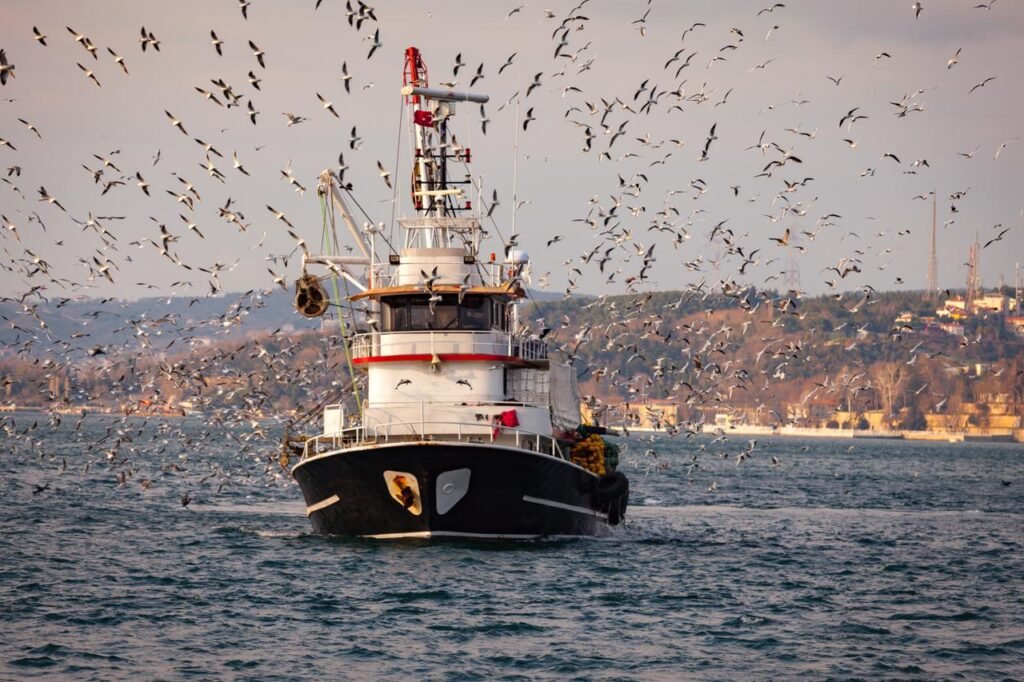
For fishing communities, these changes can have direct economic consequences.
If a species moves away from a traditional fishing area, fishermen may have to:
- travel farther;
- burn more fuel;
- change equipment;
- adjust fishing seasons;
- target different species.
If many fishing vessels follow the same species into a new area, additional pressure can be placed on those populations.
Climate change can therefore become a resource-management problem as well as an environmental one.
There can also be temporary winners
Not every species loses from warmer water.
Some organisms are better adapted to higher temperatures.
That can change the composition of marine communities.
But a biological “winner” is not necessarily an economic winner.
A new species appearing in a region does not automatically replace the lost species in terms of market value, food supply or the existing fishing industry.
Technology can help
This is where modern technology becomes important.
Scientists can use:
- satellites;
- underwater sensors;
- oceanographic floats;
- computer models;
- AI-assisted data analysis;
- GPS tracking of fishing fleets;
- long-term temperature and biodiversity databases.
The goal is not simply to discover that the water is warmer.
It is to understand what the ecosystem is likely to do next.
From monitoring to prediction
One of the most important developments could be a shift from monitoring to prediction.
If a system can combine sea temperature, currents, fishing data and species movement, it could help fishermen and authorities understand earlier where fish populations may shift.
That would not eliminate climate change.
But it could reduce some of the costs of adaptation.
What should scientists watch?
Several indicators are particularly important:
Temperature: how often and how long marine temperature anomalies occur.
Species distribution: which fish are moving and in which direction.
Food webs: what happens to plankton and foundational organisms.
Fisheries: how catches and fishing grounds change.
Biodiversity: whether some species begin replacing others.
What happens next?
Reuters reports that intensifying marine heatwaves are becoming an increasing concern for European fisheries.
The next challenge for science is not simply to document temperature records.
It is to understand how quickly ecosystems adapt and which human communities are most exposed.
That requires combining climate data with marine biology and the economics of fisheries.
The ocean can look unchanged from above.
But beneath the surface, temperature is changing the conditions of a highly complex system.
Marine heatwaves are not simply a climate phenomenon. They can change where fish live, where people fish and how marine food webs operate.
For Europe, that means the future of fisheries may increasingly depend on the ability to monitor and predict an ocean that is changing.
Editorial verification
Fact: Reuters reported on September 26, 2026 that marine heatwaves in Europe are intensifying and creating new pressures on fisheries.
Analysis: The connections between temperature, species movement, food webs and fishing costs are presented as scientific and economic context, not as a prediction of a specific future outcome.