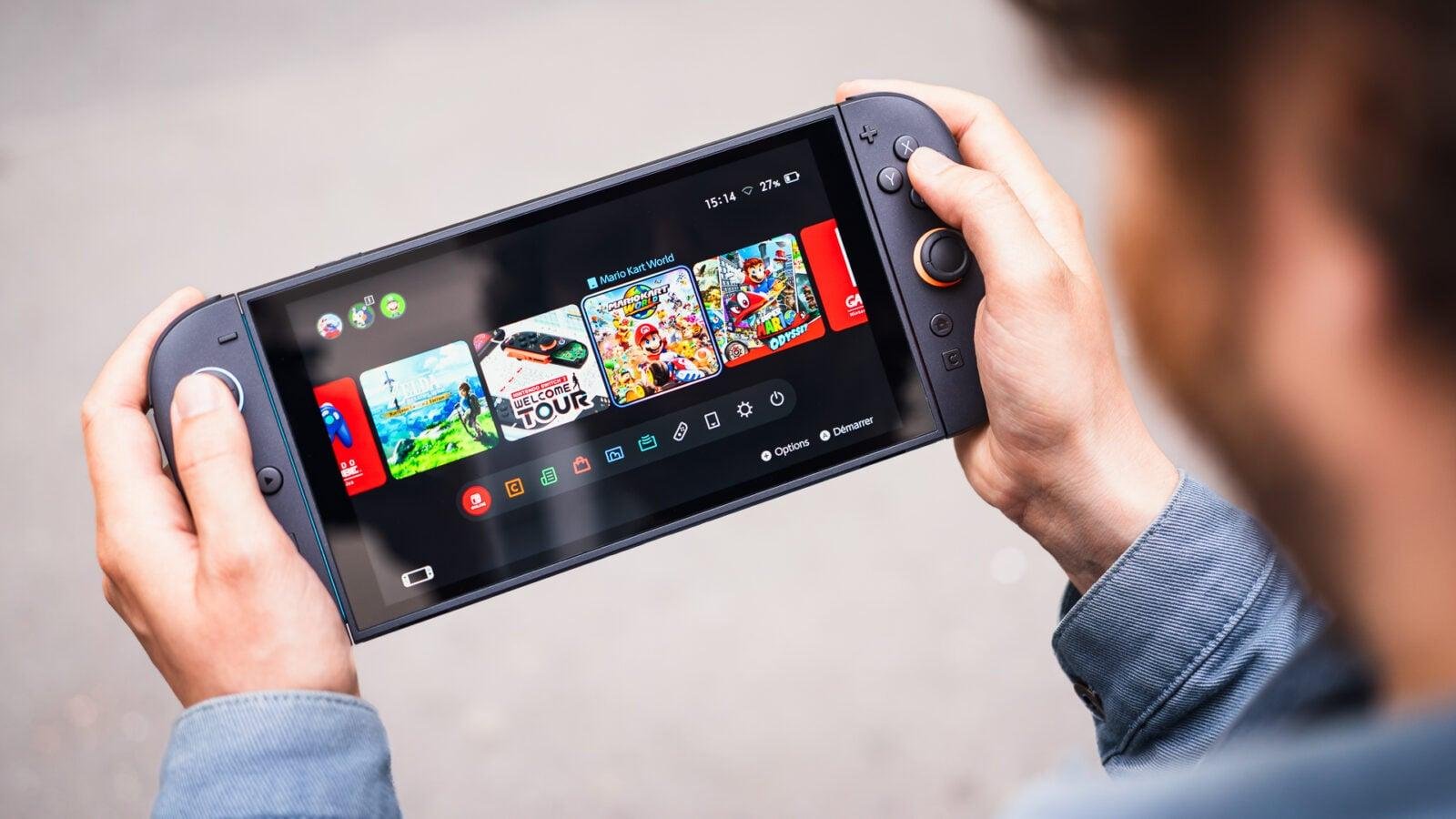
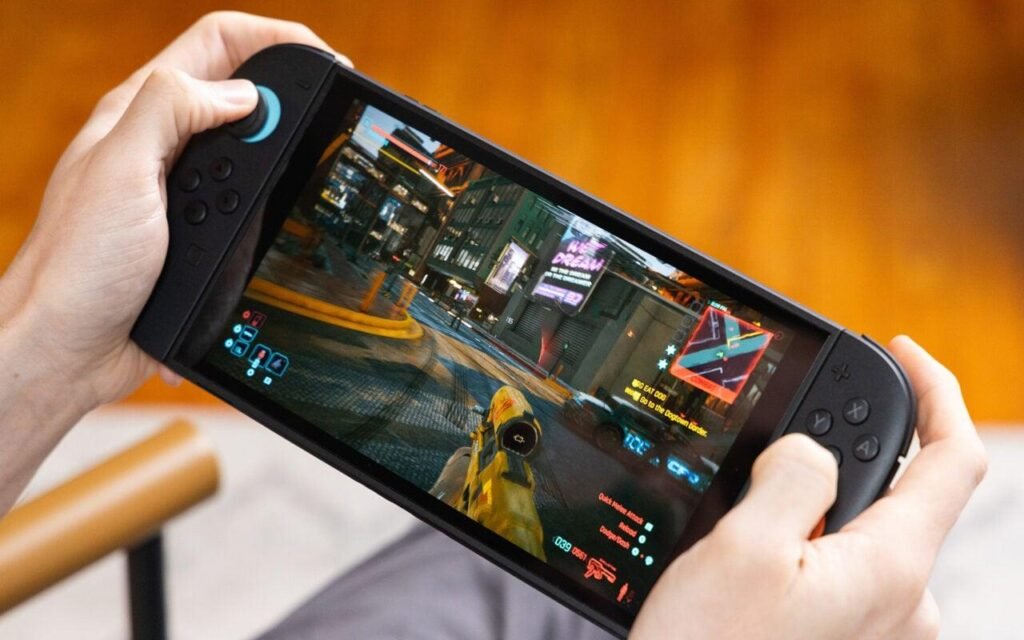
Nintendo’s success with the Switch helped turn handheld gaming into one of the most important parts of the video-game industry. Now, the next generation of portable gaming is becoming increasingly competitive, with powerful devices from Nintendo, Sony, Microsoft and PC manufacturers all fighting for players’ attention.
The bigger story is that handheld gaming is no longer simply about playing smaller versions of console games. Modern portable devices are becoming powerful gaming computers, entertainment systems and even replacements for traditional consoles.
Nintendo remains one of the most important companies in this transformation, but it is facing a completely different competitive landscape than it did when the original Switch launched.
The Handheld Gaming Revolution
The original Nintendo Switch changed the gaming industry by combining two traditionally separate experiences.
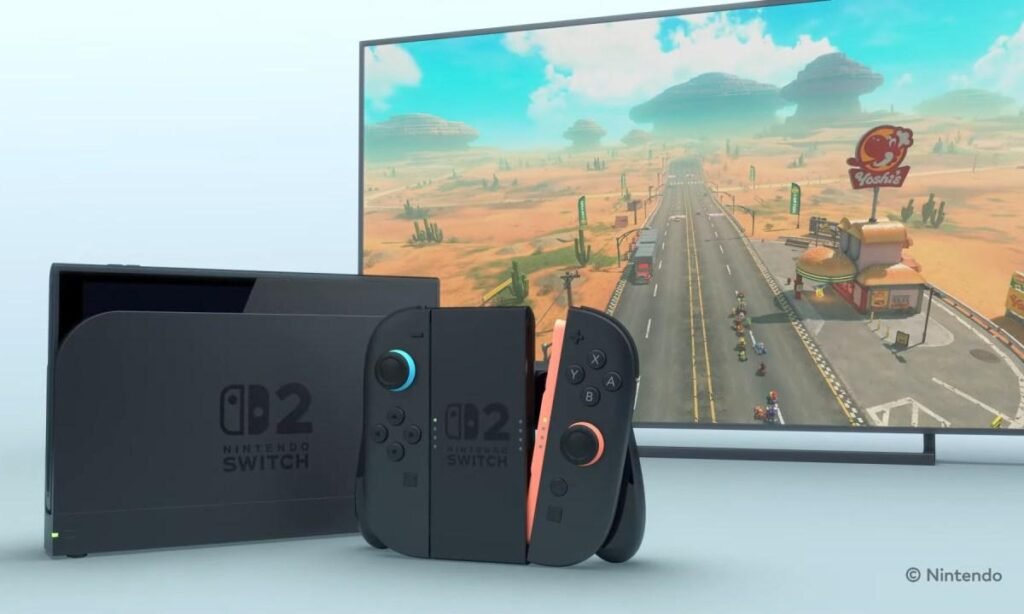
Players could use it as a home console connected to a television, then remove the device and continue playing on the go.
That simple idea proved extremely successful.
It also encouraged other companies to rethink portable gaming.
Valve’s Steam Deck helped establish PC handhelds as a serious category, while ASUS, Lenovo and other manufacturers introduced increasingly powerful Windows-based gaming devices.
Sony has also returned to the portable conversation with new hardware and cloud-focused gaming experiences.
The result is a rapidly expanding market.
Why Handhelds Are Becoming So Popular
One reason portable gaming is growing is convenience.
Modern players don’t always want to sit in front of a television for several hours.
They may want to play during a flight, on a train, in bed or while travelling.
A handheld allows players to continue their games almost anywhere.
Cloud gaming is also changing expectations.
A fast internet connection can allow players to access games without installing enormous files locally.
At the same time, improved processors are making it possible to run increasingly sophisticated games directly on portable hardware.

Nintendo Has a Unique Advantage
Nintendo has something its competitors cannot easily reproduce: its exclusive franchises.
Mario.
The Legend of Zelda.
Pokémon.
Animal Crossing.
Mario Kart.
These franchises are among the most valuable properties in gaming.
A player may choose a Nintendo device simply because they want access to games that cannot be played elsewhere.
That gives Nintendo an enormous advantage.
While other manufacturers compete on processing power, screen resolution and technical specifications, Nintendo can compete through software and characters.
The Power Race Is Changing

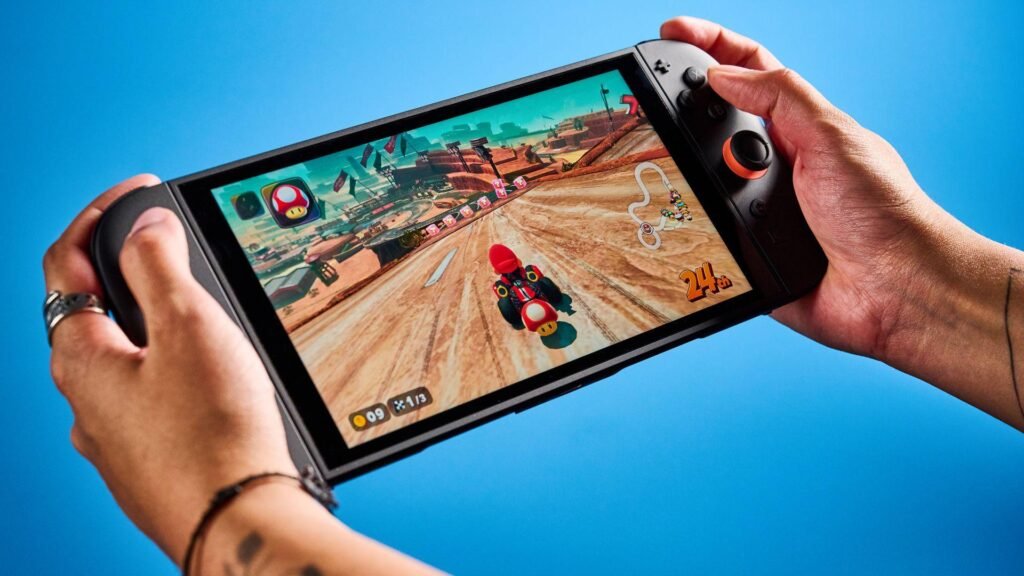
For years, handheld consoles were significantly weaker than home consoles.
That gap is becoming smaller.
Modern portable gaming hardware can deliver impressive graphics while consuming relatively little power.
New chip designs are making devices faster and more energy efficient.
Display technology is also improving.
High-refresh-rate screens, OLED panels and better HDR support can make portable gaming look dramatically better than it did a decade ago.
The biggest limitation remains battery life.
More powerful hardware requires more energy.
Manufacturers therefore have to balance performance against portability.
Steam Deck Changed the Market
Valve’s Steam Deck demonstrated that players were willing to carry a relatively powerful PC in their hands.
The device gave users access to a huge library of PC games while maintaining the portability of a console.
That created a new category between traditional consoles and gaming laptops.
Other manufacturers quickly followed.
Devices from ASUS ROG, Lenovo Legion and other brands have pushed performance even further.
This competition is forcing the entire industry to innovate.
Microsoft Has an Opportunity
Microsoft has an interesting position in the handheld market.
The company has Xbox, Windows and Game Pass.
A future Xbox handheld could potentially combine these three ecosystems.
Instead of requiring players to purchase games separately, Microsoft could use Game Pass to provide access to a large library of titles.
That could make an Xbox handheld particularly attractive to players who already subscribe to Game Pass.
The company could also connect portable gaming with Xbox cloud services.
This would create a system where players could switch between local gaming and cloud gaming depending on the title.

Sony Is Also Watching
Sony has a powerful gaming ecosystem through PlayStation.
The company has enormous franchises, a large user base and a strong position in premium gaming.
A future portable PlayStation device could potentially connect directly with the PlayStation 5 ecosystem.
Remote Play and cloud technology already allow players to access PlayStation content away from the television.
A dedicated handheld could take that concept much further.
The Future Could Be Hybrid
The most interesting future may not belong to one specific company.
Instead, gaming could become increasingly hybrid.
Players might own a powerful home console but also use a handheld for travel.
They could download games locally when they have enough storage and stream them when they don’t.
Cloud saves could allow progress to move between devices automatically.
A player could start a game on a television, continue on a handheld and finish on a PC.
That kind of flexibility is becoming increasingly normal.
Why Hardware Isn’t Everything
The gaming industry is learning an important lesson.
Powerful hardware alone does not guarantee success.
The Nintendo Switch proved that a less powerful system can become enormously successful if the software and user experience are right.
The Steam Deck demonstrated that flexibility and access to a huge game library can attract players.
The next generation of handhelds will therefore compete on much more than processor performance.
They will compete on:
- Game libraries
- Battery life
- Display quality
- Portability
- Price
- Online services
- Cloud gaming
- Software
- Accessories
- Ecosystem integration
Handheld Gaming Could Become the Next Major Platform
The gaming market has traditionally been divided into consoles, PCs and mobile devices.
Handheld gaming is increasingly becoming its own category.
That creates opportunities for developers.
Games can be designed specifically around portable experiences.
Smaller screens require different interface designs.
Battery limitations encourage more efficient game engines.
Cloud connectivity allows new multiplayer and streaming experiences.
This could eventually create games that are designed from the beginning to work across multiple devices.
The Smartphone Is Also Part of the Competition
There is another competitor that cannot be ignored:
The smartphone.
Almost everyone already owns one.
Modern smartphones have powerful processors and high-quality displays.
Gaming accessories can transform a smartphone into something that looks increasingly similar to a traditional handheld console.
Cloud gaming services can also turn phones into portable gaming platforms.
Nintendo and other gaming companies therefore need to offer experiences that smartphones cannot easily replicate.
Exclusive games are one of the strongest answers.
What Players Really Want
Ultimately, gamers want something simple:
Great games that are easy to play wherever they are.
Technical specifications are important, but they are not everything.
A handheld that lasts only two hours on battery may not be useful for long trips.
A device with an enormous screen may become uncomfortable to carry.
A cheap console without great games may struggle to attract buyers.
The winning device will likely be the one that finds the best balance.

The Bigger Picture
Handheld gaming is entering an exciting period.
Nintendo has proven that portable consoles can become mainstream.
Valve has shown that PC gaming can work in a handheld format.
Microsoft has the potential to connect handheld gaming with Xbox and Game Pass.
Sony has an enormous PlayStation ecosystem that could support future portable hardware.
Meanwhile, smartphones and cloud gaming continue to change what consumers expect from portable entertainment.
The competition is only beginning.
The next generation of handheld gaming could become one of the most important developments in the gaming industry.
The traditional idea of a console sitting underneath a television is slowly evolving.
Players increasingly want their games to follow them.
They want to start playing at home, continue while travelling and return to the same game on another device.
Nintendo helped start this transformation with the Switch.
The next stage could be even bigger.
The future of gaming may not belong to the console you keep at home. It may belong to the device you carry everywhere.
And that makes the next battle between Nintendo, Sony, Microsoft and the growing world of PC handhelds one of the most interesting stories in gaming.