

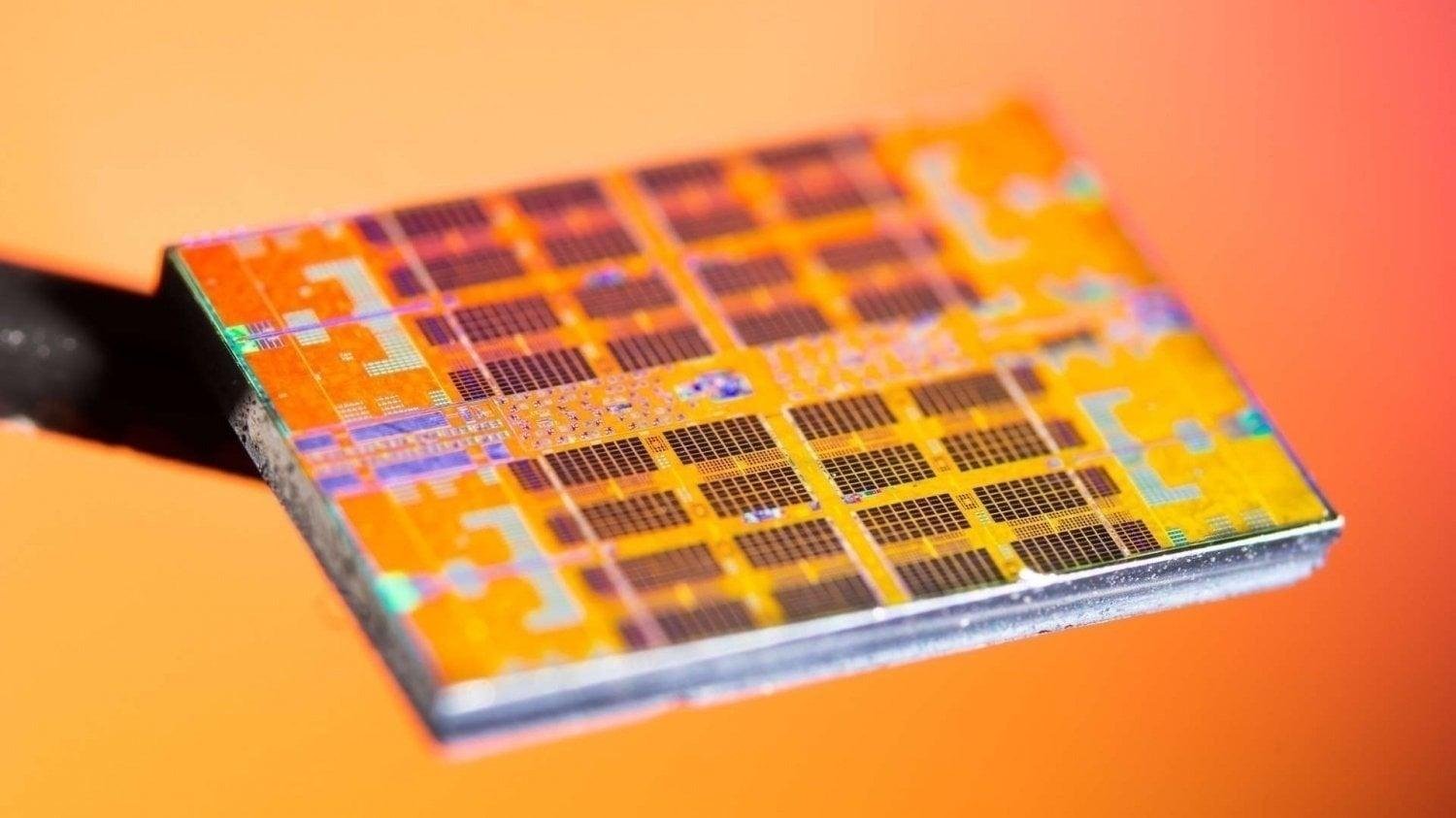
As demand for AI processors accelerates, the industry is confronting a constraint beyond chip design and fabrication: the ability to connect multiple processors and memory components inside a single package. Taiwan’s suppliers are racing to expand capacity.
The artificial intelligence boom is changing where the semiconductor industry invests. The next major constraint may not be the number of transistors that manufacturers can fit onto a chip, but how efficiently they can connect several chips and memory components together.
A Reuters report published on November 6, based on interviews with more than a dozen industry executives and analysts, describes advanced packaging as an increasingly critical bottleneck for AI processors. Nvidia, AMD and Taiwanese suppliers are among the companies seeking ways to expand capacity.
The shift matters because modern AI accelerators increasingly rely on multiple pieces of silicon working together. Packaging is no longer simply the final protective stage of manufacturing. It has become a major part of processor performance.
Why packaging suddenly matters so much
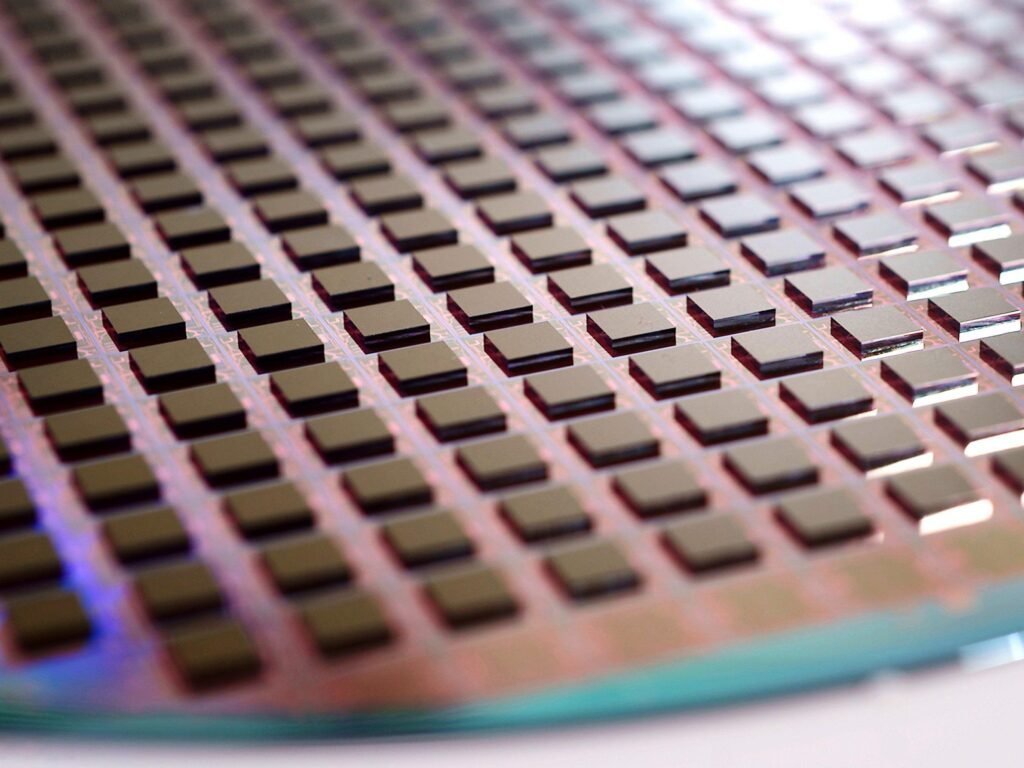
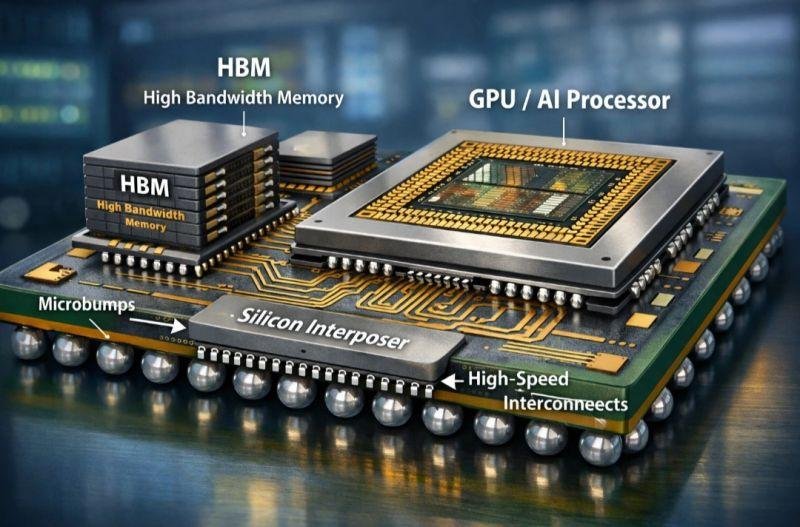
Traditional chip packaging primarily protected the silicon and provided electrical connections to a circuit board. Advanced packaging has a more ambitious role: it brings separate components, such as processors and high-bandwidth memory, into a tightly integrated package.
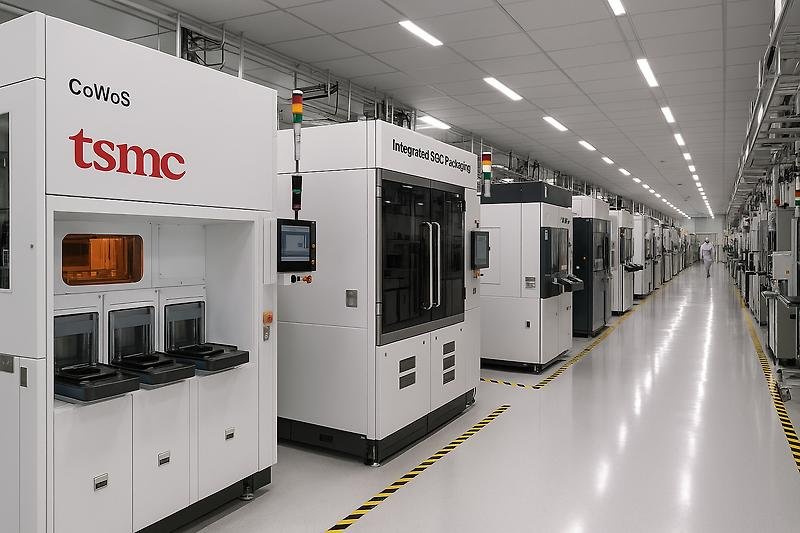
One example is TSMC’s chip-on-wafer-on-substrate technology, known as CoWoS. It connects different pieces of silicon through a shared base, helping data move rapidly between processors and nearby memory.
That is particularly important for AI workloads. Training and running large models requires enormous volumes of data to move between computing units and memory. Faster, more efficient connections can improve the performance of the overall system.
As chip designers increasingly combine multiple components into one package, the manufacturing process becomes more complex—and capacity becomes harder to scale.
Taiwan’s manufacturing ecosystem takes centre stage
Taiwan Semiconductor Manufacturing Company (TSMC) dominates some of the most sophisticated advanced-packaging technologies, including CoWoS. Its capacity constraints, however, have encouraged chip designers to look for additional suppliers.
Reuters reported that Nvidia is providing billions of dollars in financing to expand CoWoS packaging capacity at Siliconware Precision Industries (SPIL), a subsidiary of ASE Technology. The information came from an industry executive familiar with the matter who was not authorised to speak publicly.
The distinction is important: Nvidia did not respond to Reuters’ request for comment, while ASE said it does not comment on market rumours involving customers. The reported financing should therefore be treated as a source-based account, not as a publicly confirmed company announcement.
Other Taiwanese suppliers are also positioning themselves to benefit. Powertech Technology, for example, is exploring panel-level packaging, which uses larger rectangular panels rather than traditional round wafers.
A new investment race
Research firm Yole Group forecasts that revenue from advanced packaging could exceed revenue from traditional packaging for the first time in 2026. Capital spending on the technology is expected to approach $28 billion, according to the figures cited by Reuters.
That investment reflects a wider structural change. As it becomes more difficult and expensive to achieve performance gains simply by shrinking transistors, chipmakers are looking for improvements at the system level.
Advanced packaging offers one route: combine processors, memory and other components more closely so they can operate as a more integrated unit.
Former Intel CEO Pat Gelsinger told Reuters that advanced packaging could eventually account for as much as half the value of a chip product. That is an industry estimate, not a measured share applying to every processor.
What this means for AI companies and customers
The packaging bottleneck has consequences beyond semiconductor manufacturers. If advanced-packaging capacity cannot keep pace with demand, the supply of finished AI accelerators may remain constrained even when chip fabrication capacity increases.
For cloud providers and AI developers, that could affect delivery schedules, infrastructure expansion and the cost of computing resources. For suppliers, it creates an opportunity to capture a larger share of a market that was once treated as a less prominent part of semiconductor production.
It also creates strategic risks. A supply chain concentrated in a limited number of advanced facilities and specialist manufacturers can become vulnerable to delays, equipment shortages and geopolitical disruption.
What happens next?
The key indicators to watch are new capacity announcements, equipment orders, production yields and the speed at which alternative packaging technologies move from development into high-volume manufacturing.
TSMC remains central to the most advanced packaging processes, but the growing interest in suppliers such as SPIL and Powertech suggests that customers want more than one route to capacity.
The next phase of the AI hardware race may therefore be decided not only by who designs the fastest processor, but by who can assemble, connect and deliver the complete system at scale.
TheTechSpot Take: The chip race is moving beyond the chip
For years, the semiconductor competition was often described as a contest to make smaller transistors and faster processors. AI is exposing the limits of that narrow view.
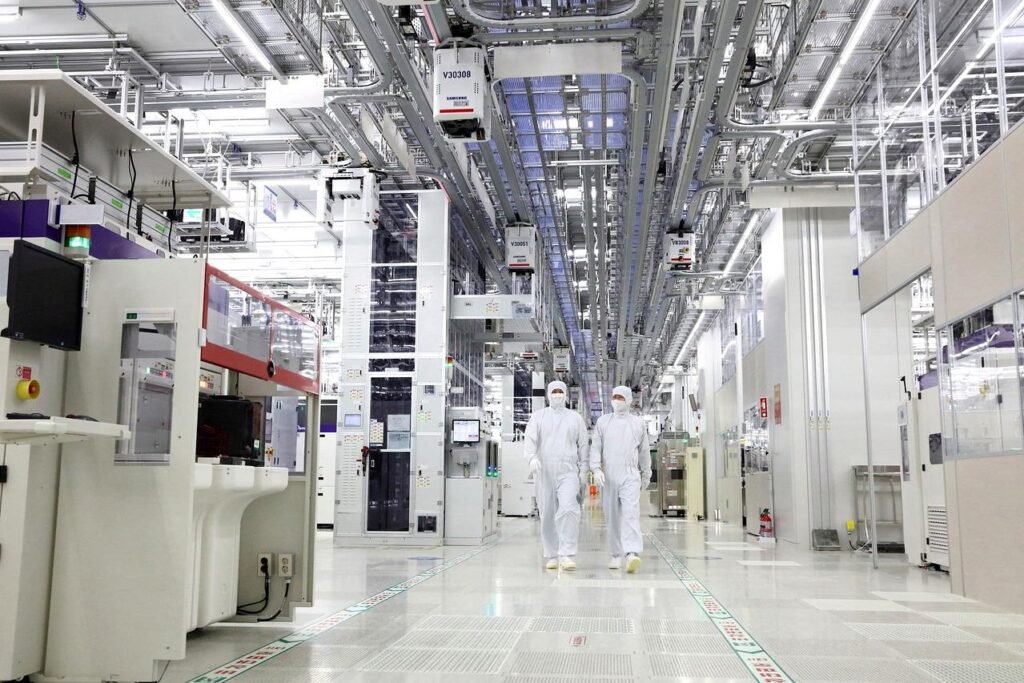
A powerful accelerator is not just a piece of silicon. It is a system of computing units, memory and high-speed connections that must work together. Advanced packaging is becoming one of the technologies that determines whether that system can be manufactured in sufficient quantities.
This is a significant change in the economics of the semiconductor industry. Suppliers that once operated behind the spotlight may become strategically important to the companies building the world’s largest AI infrastructure.
But the investment story needs careful reading. A forecast of nearly $28 billion in spending is not proof that capacity will immediately become available, and reported financing arrangements are not the same as confirmed contracts. The real test will be whether new facilities can deliver reliable, high-volume production.
The next AI hardware bottleneck may be hiding in the part of the chip industry that used to receive the least attention.


