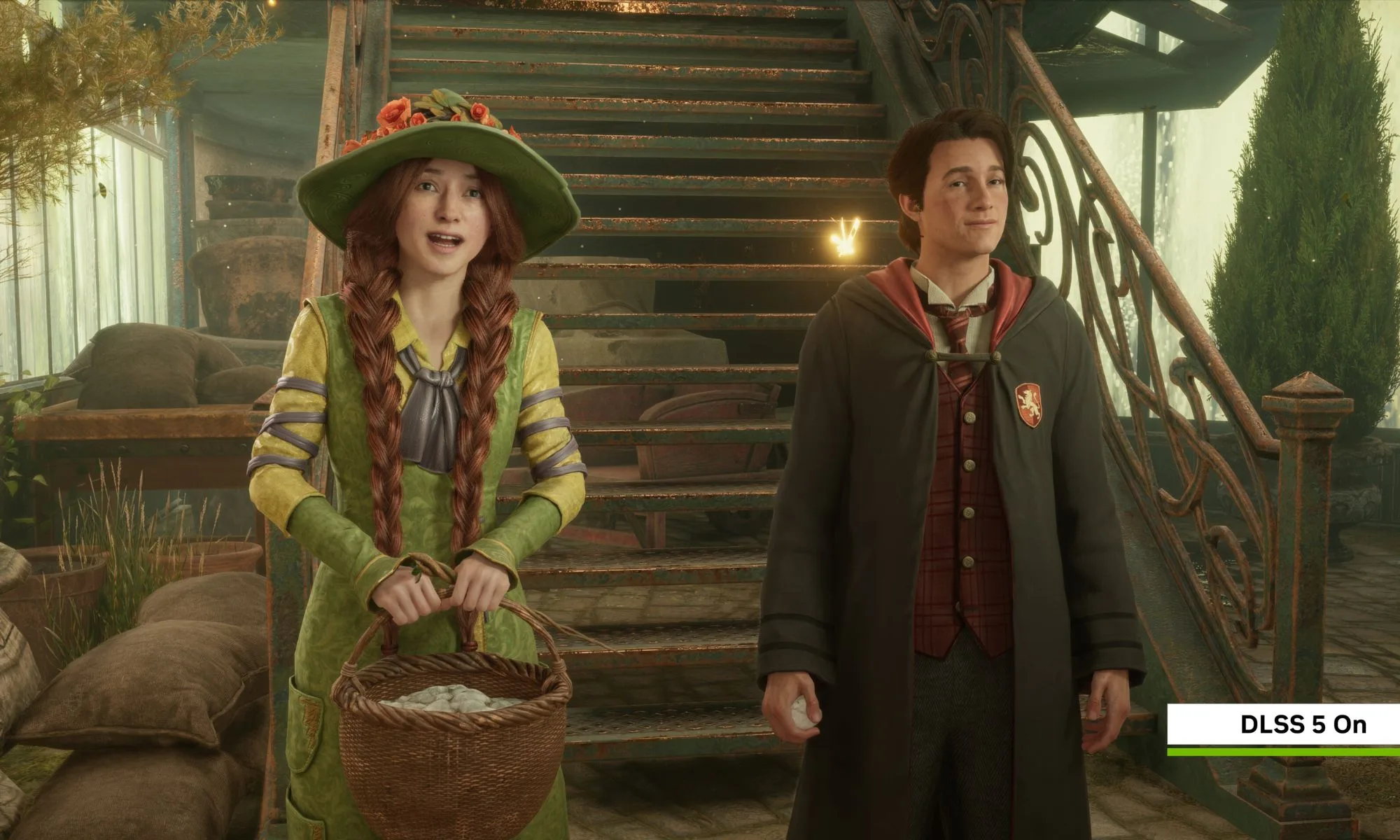
A tailored version of NVIDIA’s neural-rendering technology is scheduled to arrive in Hogwarts Legacy on November 5. Unlike the original demonstrations, the implementation aims to improve lighting and materials without noticeably changing character appearances.
NVIDIA is preparing a customized DLSS 5 implementation for Hogwarts Legacy following negative reactions to the technology’s initial demonstrations. The update is scheduled for November 5, 2026, for GeForce RTX 50 Series graphics cards, GeForce NOW and RTX Spark laptops, according to NVIDIA’s October 13 announcement.
DLSS 5 uses 3D-guided neural rendering to process lighting and materials in the final image. The goal is to make scenes look more realistic without requiring developers to create every visual effect exclusively through traditional rendering techniques.
However, the first demonstrations sparked debate among gamers because the effects appeared to alter the faces and appearances of some characters. The central criticism was that a technology intended to improve realism could also interfere with a game’s visual identity and artistic direction.
What is changing in Hogwarts Legacy?
In its latest comparison materials, NVIDIA shows a more restrained DLSS 5 implementation in Hogwarts Legacy than the original demonstration. The changes focus on lighting, shadows and environmental materials, while character appearances remain closer to the game’s original look.
NVIDIA says Avalanche Software has used the technology’s controls to tune the implementation and preserve the game’s artistic intent. Developers can adjust how the effect is applied and determine which scene elements should be treated differently.
That matters for games with a distinctive visual style. Graphics quality is not simply a question of making faces or surfaces look more photorealistic. The result must also fit the world, atmosphere and design created by the artists.
For Hogwarts Legacy, a game built around a fantasy world inspired by the Harry Potter universe, preserving visual identity matters alongside improving lighting.
NVIDIA says DLSS 5 is now twice as fast
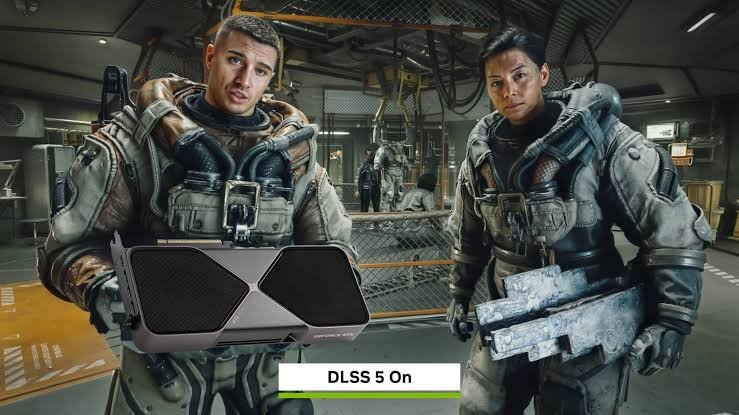
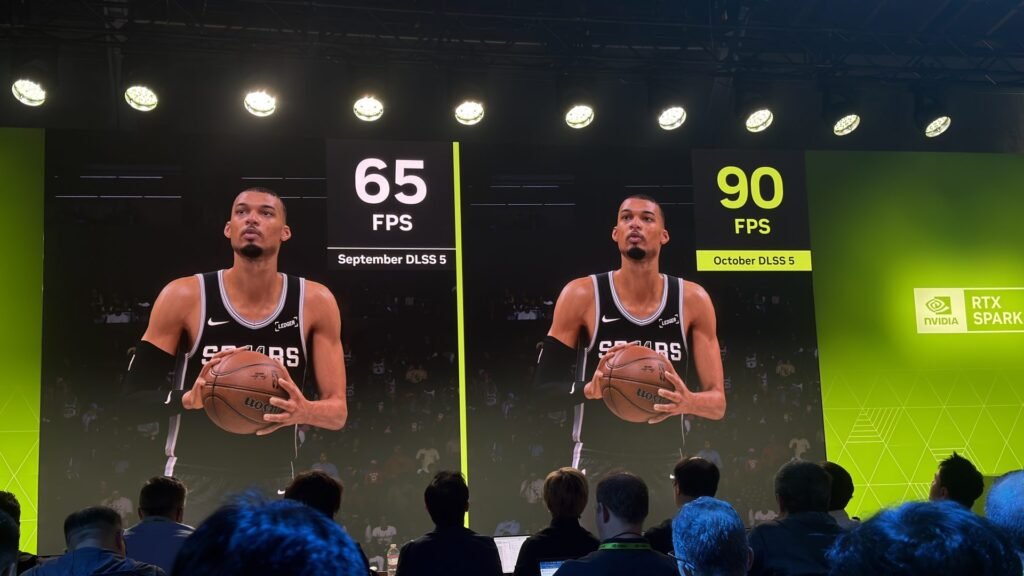
Alongside the visual changes, NVIDIA announced an updated DLSS 5 model that it describes as twice as fast as the September version. According to the company, the model is 24% smaller, at roughly 118 million parameters, and reduces 4K video-memory usage by up to 20%.
NVIDIA also says the new model halves GPU overhead compared with the previous version while maintaining comparable visual fidelity. These are manufacturer claims, not guarantees of identical improvements across every game, graphics card or PC configuration.
The updated model is expected to debut in NBA 2K27 on October 16. NVIDIA says it can increase frame rates in that game by up to 1.4 times. DLSS 5 is also planned for Where Winds Meet later this year, while integration into the RTX Remix modding platform is scheduled for October 23.
Who will be able to use it?
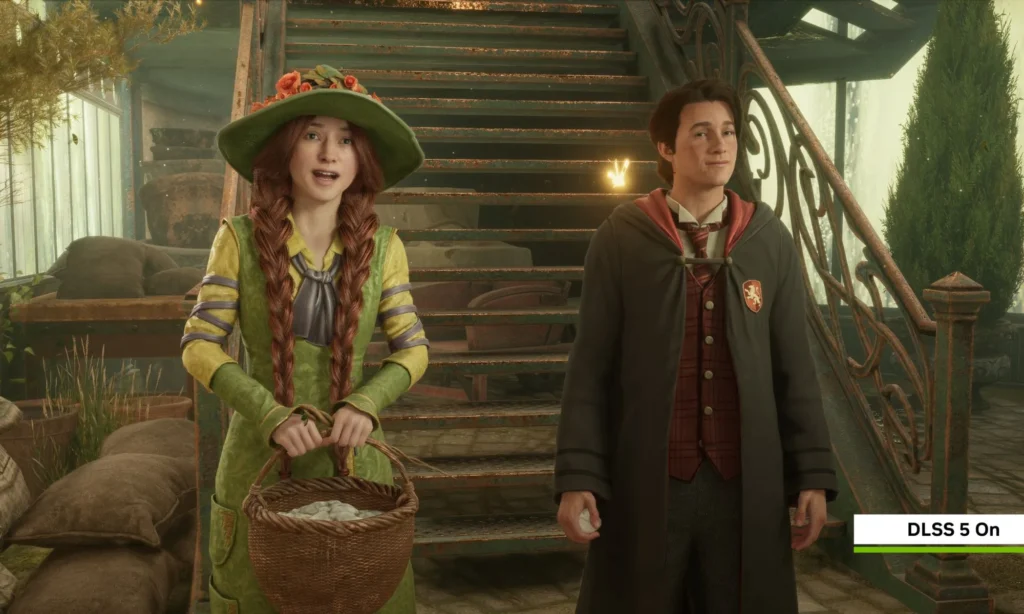
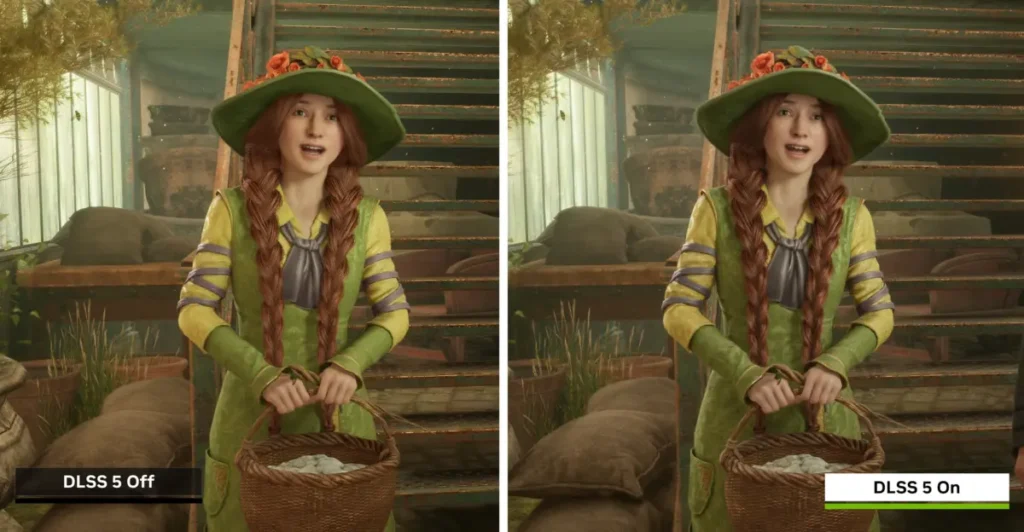
According to NVIDIA, the Hogwarts Legacy implementation will support GeForce RTX 50 Series GPUs, GeForce NOW and RTX Spark laptops. That does not mean every NVIDIA graphics-card owner will receive the feature in the same way: availability depends on the supported platform and the game’s implementation.
Players should wait for the update and independent testing to understand its real-world impact on frame rates, VRAM use and visual quality across different configurations.
TheTechSpot Take
DLSS 5 highlights a broader challenge for neural-generated graphics: a technical improvement is not automatically an artistic improvement. If a technology changes character features or the character of a scene, it can conflict with a developer’s choices even when the result looks more photorealistic.
The revised Hogwarts Legacy implementation appears to place greater emphasis on developer control and preserving the original visual style. Promotional comparisons alone, however, are not enough to judge final performance or image quality. Independent testing after the update launches will show whether DLSS 5 can deliver meaningful improvements without changing the game’s visual identity.