

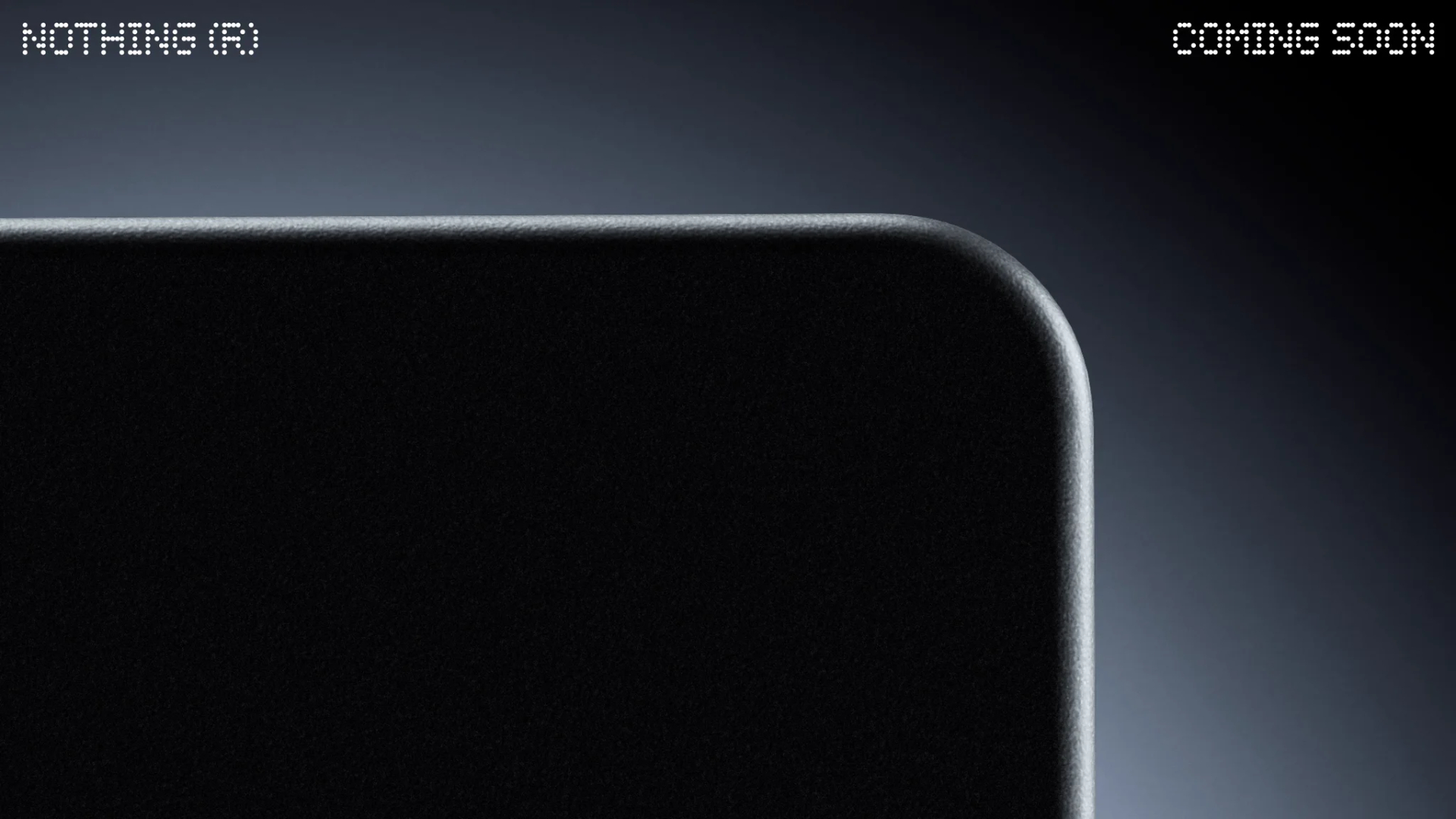
The company founded by Carl Pei plans to ship its first AI-native product in December. The idea is to create a productivity tool that adds no new screen and, according to its CEO, cannot simply be replaced by a smartphone app.
After years in which consumer technology has revolved around the smartphone screen, another direction is attracting attention: devices designed to make artificial intelligence part of everyday activities without requiring users to keep opening an app.
Nothing has confirmed plans to ship its first AI-native product in December. CEO Carl Pei announced the timeline on November 4, but the company has yet to reveal the product’s name, full design or specific capabilities.
Two details have been made public. The product will introduce no new screen, and Pei says it could not simply have been an app. Nothing describes it as a productivity tool rather than an attempt to create another smartphone.
For now, this is a promise of a new product category, not a device with confirmed specifications.
Why does Nothing want dedicated AI hardware?
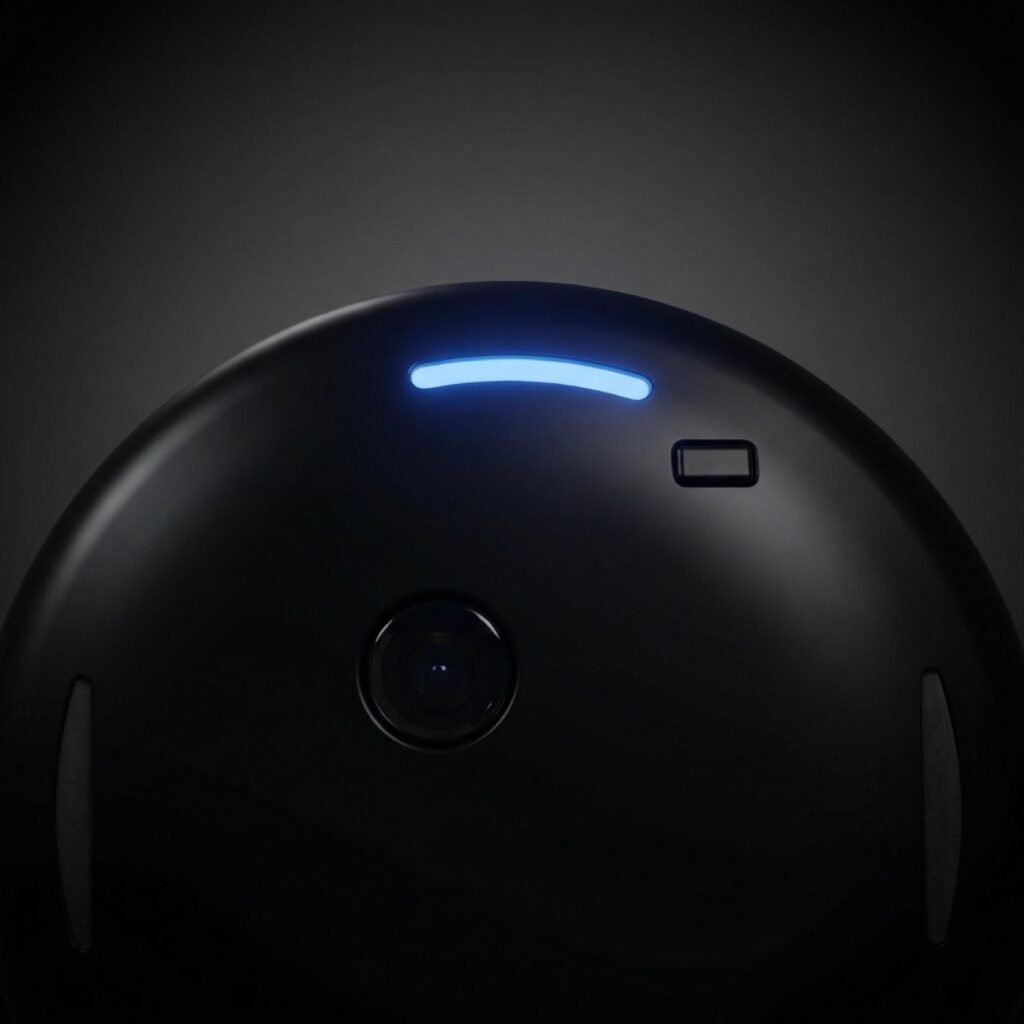
Nothing says its first AI-native product will ship in December 2026.The problem Nothing wants to address is what Pei describes as a context gap in today’s AI assistants.
Current AI models can work with documents, emails, calendars and information that users provide. But much of what happens during a normal day never makes it into those applications: an idea during a meeting, an important conversation, an unexpected task or a decision made while working.
Users have to interrupt what they are doing, reach for a phone and manually record the information. If they do not, that context may be lost.
Pei’s argument is that dedicated hardware could reduce this friction and give AI more useful access to information connected to everyday work.
Nothing has not confirmed that its product will record conversations, automatically take notes or continuously listen to its surroundings. Those are possible interpretations, not announced features.
A new race to build the AI-era device
The technology industry is exploring ways to move AI beyond the smartphone screen. Small wearables, smart glasses, microphone-equipped accessories and devices that record meetings are among the approaches being tested.
But this category has a mixed history. Products such as the Humane AI Pin and Rabbit R1 attracted considerable attention before launch, yet questions about their practical usefulness and user experience highlighted how difficult it is to replace familiar smartphone interactions.
Pei has cautioned against the search for a single device that becomes the “iPhone moment” for artificial intelligence. His position is that AI may first prove its value through tools that solve specific productivity problems, rather than through a product promising to transform everyday life overnight.
That positioning could matter for Nothing. Instead of promising an assistant that does everything, the company needs to demonstrate which problem its device solves and why an existing smartphone app is not enough.
What is known — and what remains a mystery?
As of November 6, publicly available information remains limited.
What has been confirmed:
- Nothing plans to ship the product in December 2026.
- It is designed around artificial intelligence.
- Carl Pei describes it as a productivity tool.
- It will not introduce a new screen.
- Pei says its purpose could not be delivered simply through an app.
What has not been confirmed:
- The product’s name and physical form.
- Whether it will be wearable or another type of accessory.
- Whether it will include a microphone, camera or speaker.
- Whether it will record conversations or automatically create notes.
- Its price, battery life and launch markets.
- Whether it will work only with Nothing phones or with other devices.
The distinction matters. Having no new screen does not necessarily mean the product cannot work alongside an existing smartphone display. And saying it is not an app does not reveal what form the hardware will take.
Privacy and real-world usefulness will be major tests
Nothing says its first AI-native product will ship in December 2026.If an AI device is intended to understand more of a user’s everyday context, privacy becomes just as important as its technical capabilities.
Customers will need clear answers about whether it collects audio, images or other personal information; whether data is stored locally or in the cloud; how long it is retained; and how users can delete it.
If the device is intended for meetings and workplaces, there must also be clarity about information involving other people who may be present.
Battery life is another challenge. A product expected to be available when needed must last long enough without creating more friction than it removes.
And if its main features require a recurring subscription or a permanent internet connection, those costs will directly affect its value to consumers.
What should we expect in December?
The December launch will be the moment when Nothing needs to answer the questions left open by its initial announcement.
Before the product can be judged, consumers need to see a real demonstration rather than a promotional image. Nothing must explain what the device can do, how reliably it works, how it connects to phones and other services, and what control users have over their data.
If it solves a specific problem without making the experience more complicated, Nothing could establish an interesting product category. If it mainly duplicates features that an existing smartphone can handle more easily, cheaply and securely, it risks becoming another AI gadget that attracts attention at launch but struggles to earn a place in everyday life.
Key takeaways
- Nothing plans to ship its first AI-native product in December 2026.
- The device will add no new screen and is not intended to be simply another app.
- Carl Pei positions it as a productivity tool designed to address AI’s context gap.
- Its form, features, price and compatibility remain undisclosed.
- Privacy, battery life and practical usefulness will be critical to its success.
TheTechSpot Take
The industry does not necessarily need another device promising to replace the smartphone. It needs products that make technology more useful without demanding more attention from users.
Nothing is exploring an interesting direction: dedicated hardware that could bring AI closer to people’s real-world activities. But a screen-free design is not automatically an innovation, and adding AI does not automatically make a product worth buying.
The key question is not whether Nothing can build a device that looks different. It is whether it can deliver a benefit that people cannot already get more simply, cheaply and securely from the phone they own.
December will show whether this is a meaningful step toward a new way of interacting with technology — or another promise in the race to build the next AI gadget.


