Google has removed the Pixel Tablet from its online store and, in the U.S., has also removed the tablet category from the store navigation. The company has not formally announced the product as discontinued, but the combination of depleted inventory, the absence of a successor and the previous pause in tablet development strongly suggests that Google is stepping away from the category for now. Existing owners are still covered by Google’s software-support commitment through June 2028.
Google’s tablet strategy has reached another uncertain point.
The Pixel Tablet, introduced in 2023 as Google’s attempt to combine a conventional Android tablet with a smart-home display, has disappeared from the company’s online storefront. Third-party reports also indicate that remaining retail inventory has become extremely difficult to find.
There has been no formal Google announcement declaring the product line dead.
That distinction matters. What has happened is that Google has stopped presenting the Pixel Tablet as a product customers can buy directly, while there is no replacement waiting behind it.
The unusual idea behind Pixel Tablet
Google’s approach was never simply about building another Android tablet.
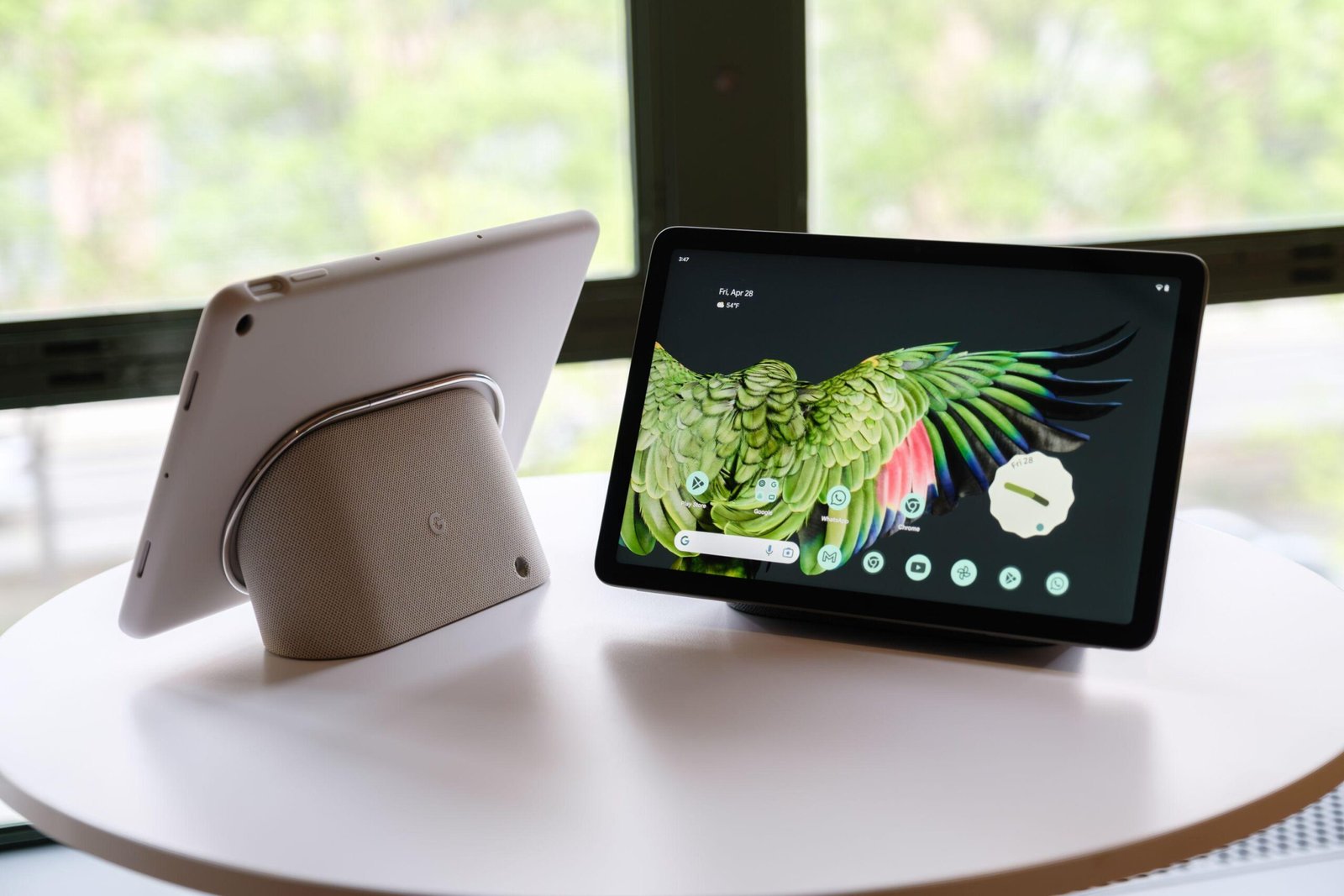
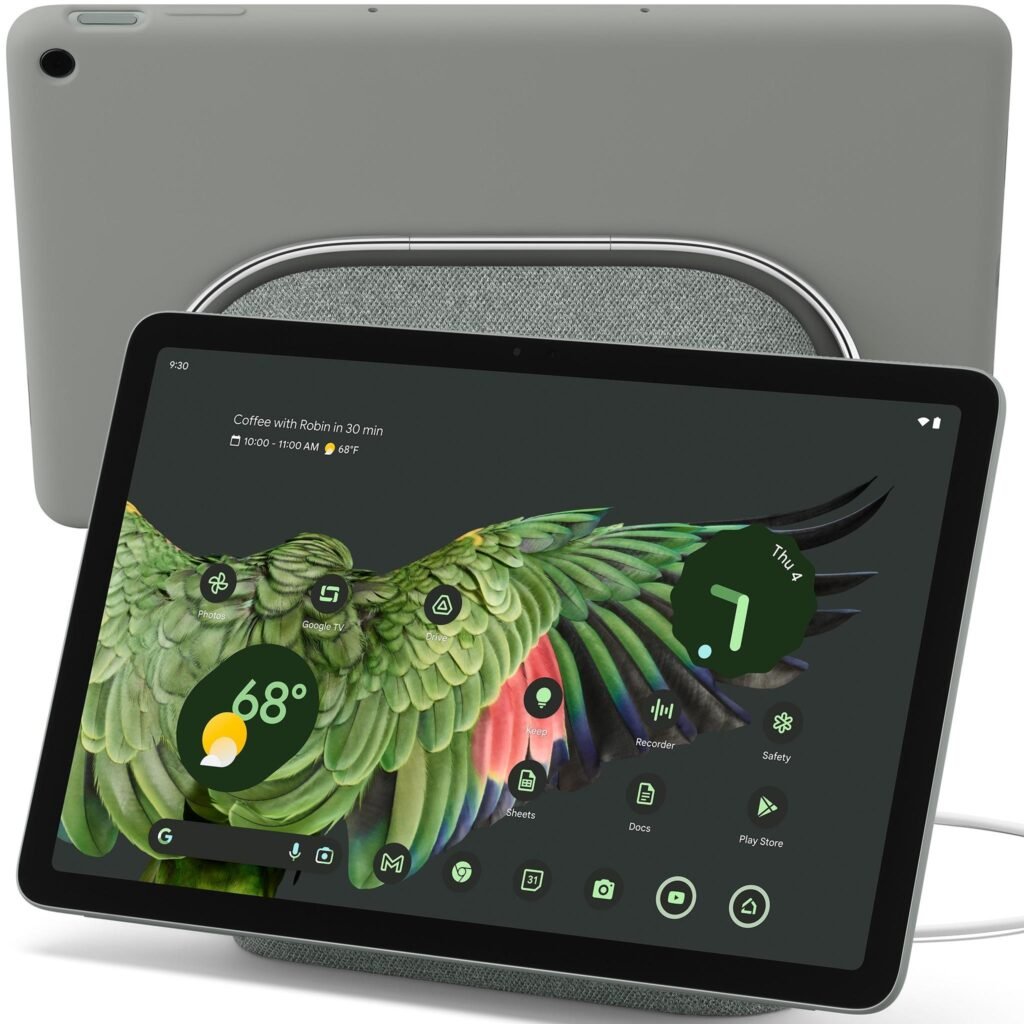
The device was designed around a dockable experience. In tablet mode, it offered an 11-inch-class display and Tensor G2 hardware. When placed on Google’s Charging Speaker Dock, it could become a more stationary device for controlling compatible smart-home products and consuming media.
That made the Pixel Tablet different from a typical slate.
It was supposed to sit somewhere between a personal computer, a media device and a smart-home controller.
The concept was clever.
The commercial result was much less convincing.
There is no Pixel Tablet successor
The biggest problem for Google’s tablet strategy is not that the current model has disappeared.
It is that nothing has replaced it.
Google had reportedly been developing a successor but canceled those plans before a second-generation model reached consumers. Industry reports have linked the decision to profitability concerns and Google’s broader reassessment of its tablet ambitions.
That leaves the original Pixel Tablet as a one-generation experiment.
Normally, removing a three-year-old device would simply make room for newer hardware.
Here, the empty space is the story.
Existing owners are not being abandoned
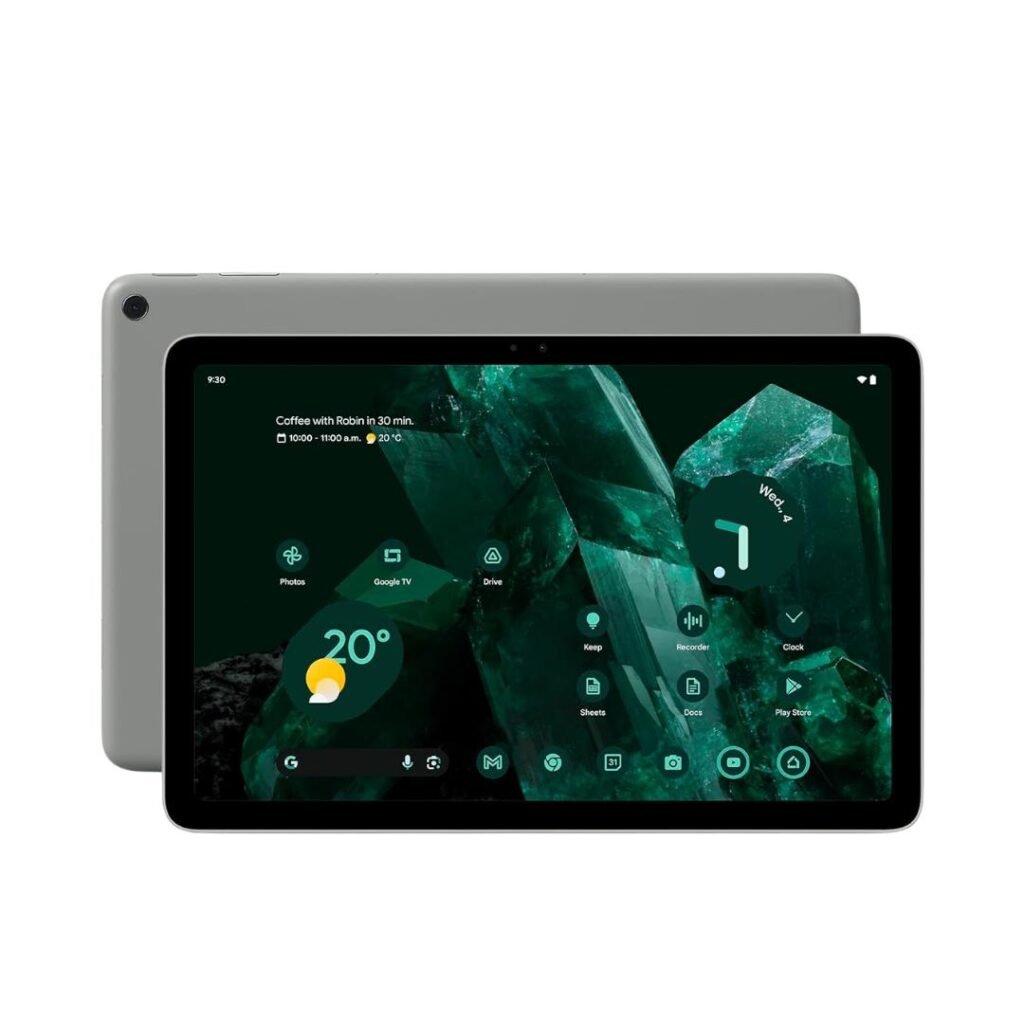
Google’s decision to stop selling the tablet does not mean owners should expect an immediate end to software support.
The company’s official support documentation says the Pixel Tablet is guaranteed five years of Android OS and security updates from its original availability date.
The current deadline is June 2028.
That gives existing owners considerable breathing room.
It also means the product can remain perfectly usable even as Google stops promoting it commercially.
The two timelines — sales and software support — should not be confused.
Google is now missing from a major device category
The more interesting question concerns Google’s wider hardware strategy.
The company has spent years building the Pixel ecosystem around phones, watches, earbuds and smart-home products.
A tablet could have provided a larger-screen hub connecting those products.
Instead, Google is once again left without a first-party tablet in its active hardware lineup, while rivals continue to push aggressively into large-screen Android devices.
Samsung’s Galaxy Tab range, Apple’s iPad family and a growing selection of Lenovo and other Android tablets leave Google with little room for a late return unless it has a genuinely different proposition.
Why the Pixel Tablet struggled to become essential
The Pixel Tablet was not necessarily a bad product.
Its bigger problem was that it was difficult to define why someone absolutely needed it.
For consumers already invested in Google services, the tablet offered familiar software and tight ecosystem integration.
But buyers could also choose a conventional Android tablet, an iPad or a more specialized device.
The dock helped differentiate Google’s product, but the hybrid concept did not appear strong enough to create a new mass-market category.
In other words, Google built something distinctive without necessarily creating something indispensable.
This is not proof that Google will never build another tablet
It is important not to overstate the evidence.
Google has not publicly said that it will never make another Pixel Tablet.
The company could change direction if it finds a better business case or a stronger role for a large-screen Pixel device.
But the current situation is clear.
Google has removed the Pixel Tablet from direct sale, has no announced successor and has previously paused broader tablet development.
That makes a near-term Pixel Tablet comeback difficult to see.
The bigger lesson for Google’s hardware business
Google has developed a reputation for experimenting with hardware categories and then changing direction when the business case becomes difficult.
The Pixel Tablet is another example of that tension.
The company can build attractive hardware and integrate it deeply with Android, but competing in a mature hardware category requires more than a clever product concept.
It requires a reason for consumers to switch.
Google may eventually find one.
For now, though, the Pixel Tablet appears to be heading into history — not because Google has announced its death, but because almost every commercial signal points in that direction.
Existing owners still have software support until 2028.
New buyers, meanwhile, are running out of places to buy one.