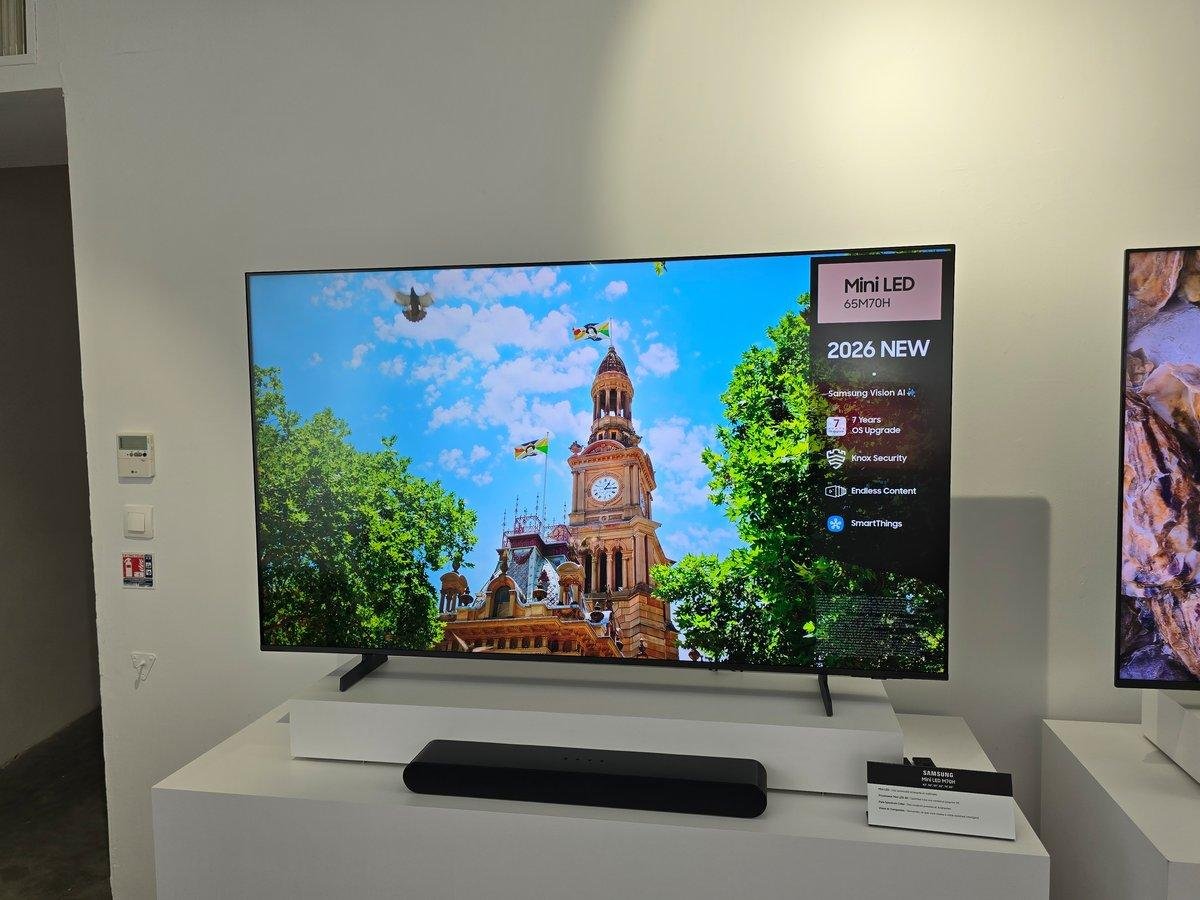
A major rivalry in the global television market has moved into the courtroom. TCL has filed a federal lawsuit in Los Angeles against Samsung Electronics America, accusing the company of advertising certain televisions as using “Mini LED” technology even though, according to TCL, the disputed products do not contain the advanced technology associated with that label.
The lawsuit, filed Monday, focuses on Samsung’s M Model televisions. TCL alleges that Samsung marketed the models as Mini LED televisions while, in reality, the company claims they are based on older conventional LED designs.
The dispute is significant because Mini LED is not simply a marketing phrase. The technology uses much smaller LEDs in a television’s backlighting system, allowing manufacturers to control individual lighting zones more precisely. That can improve contrast, brightness control and HDR performance compared with conventional LED televisions.
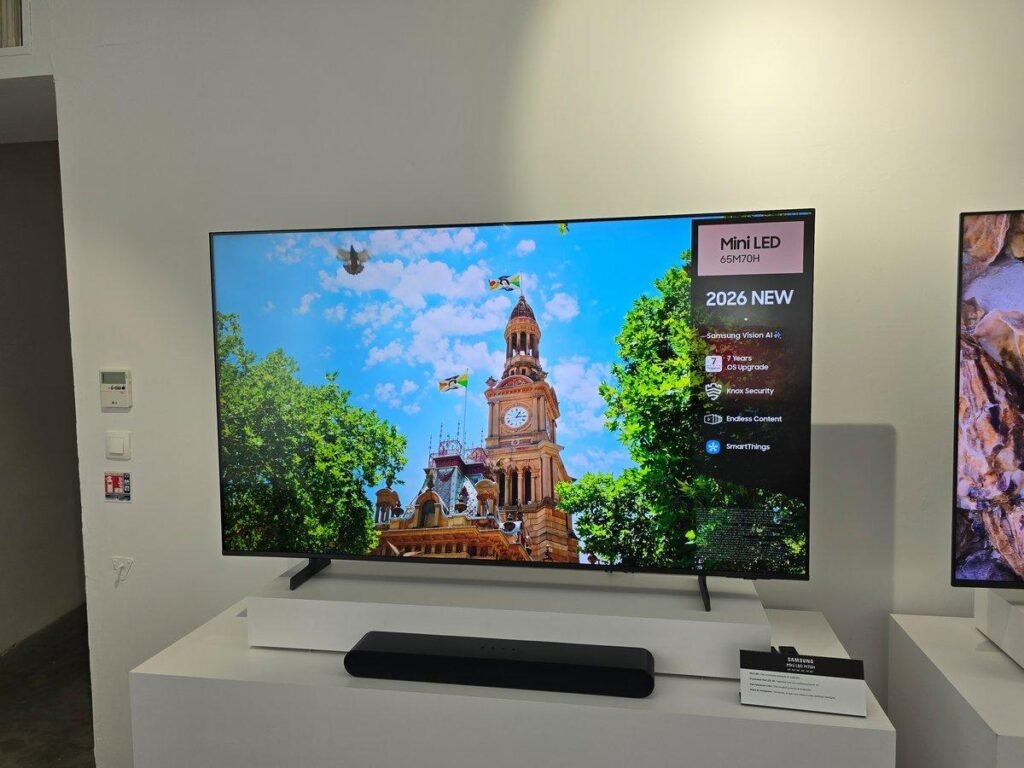
TCL argues that this technological difference matters directly to consumers. Buyers looking specifically for Mini LED televisions expect the display technology to provide a more advanced picture and may make their purchasing decisions based on that specification.
According to TCL’s lawsuit, Samsung launched its M Model televisions in March at prices below TCL’s least expensive Mini LED televisions and advertised the products as featuring Mini LED technology. TCL alleges that the disputed televisions do not contain the technological improvements associated with Mini LED and instead were recycled from Samsung’s existing standard LED television lines.
TCL is asking the court to stop Samsung from using Mini LED claims for the disputed models. The company is also seeking financial damages, although it has not specified a particular amount.
The distinction is important: these are allegations made by TCL, not findings by the court. The lawsuit is at an early stage, and no final determination has been made over whether Samsung violated U.S. law.
[PHOTO 2 — Mini LED display close-up / backlighting technology]
Samsung Faces the Allegations
Samsung is now preparing to defend the products at the center of the dispute. The company has said it will vigorously defend the case and stands behind the quality and accuracy of its product descriptions.
That puts the two companies on opposite sides of a dispute that could become important beyond their individual products.
For television buyers, the difference between LED, Mini LED and OLED is not merely a technical specification. It can influence price, picture quality, brightness, contrast and HDR performance.
A consumer shopping for a new television may choose one model over another precisely because it carries a particular display technology label.
That is why the definition of Mini LED matters.
TCL has made Mini LED an important part of its television strategy. The company says its own Mini LED technology delivers improved picture quality, greater dynamic range and stronger contrast. It also claims that it surpassed Samsung in U.S. Mini LED television sales between 2023 and 2025.
Why the Fight Matters
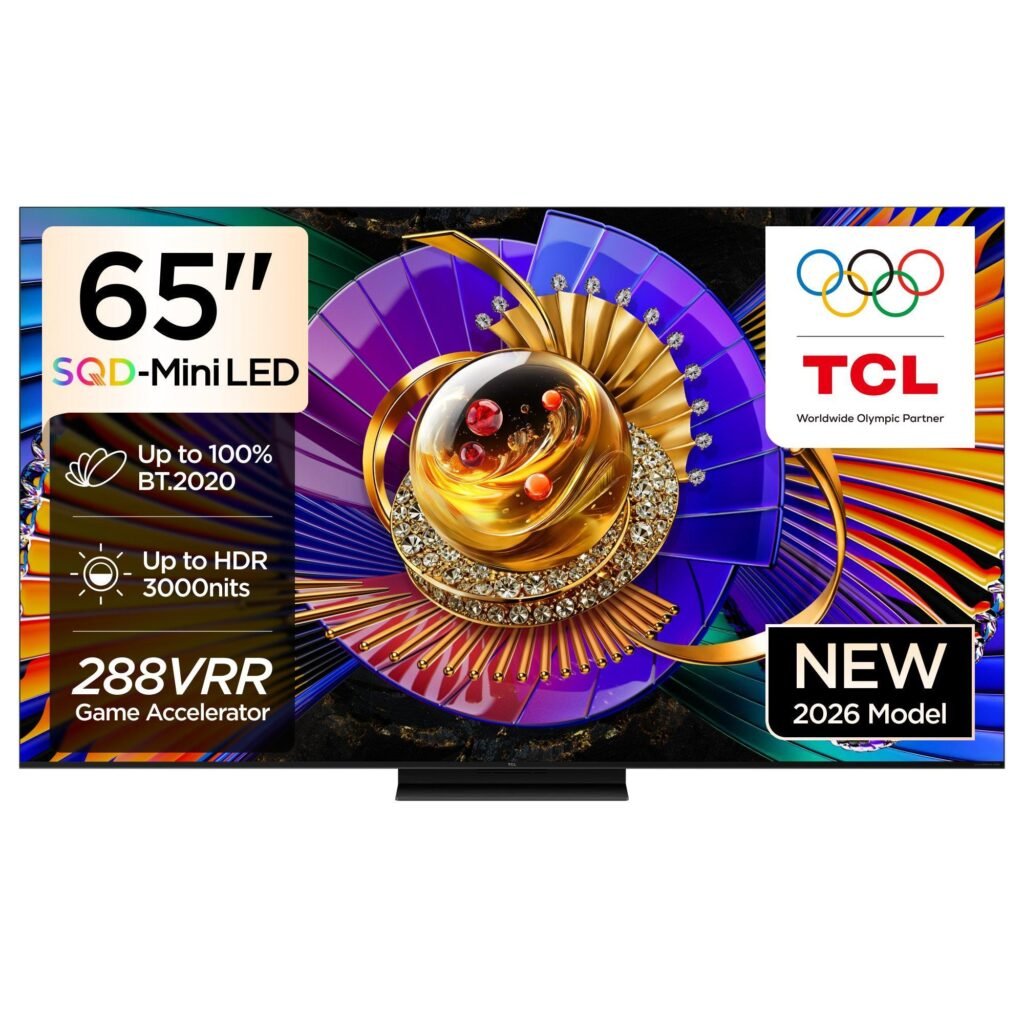
The television market has become increasingly competitive as manufacturers try to differentiate products across a wide range of prices.
OLED remains a major technology in premium televisions, particularly because of its ability to produce deep blacks and highly precise contrast. Mini LED has established a different position by offering high brightness and increasingly sophisticated local dimming while remaining available across a broader range of products.
That has made Mini LED commercially valuable.
For TCL, the technology is also closely connected to its competitive position in the television market. The company has invested heavily in Mini LED products and has used the technology to compete aggressively on both performance and price.
For Samsung, meanwhile, maintaining control over how its televisions are described is commercially important. Samsung remains one of the largest television manufacturers in the world, and any legal restriction on the way its products can be marketed could have consequences beyond the specific models named in the lawsuit.
If TCL ultimately succeeds, the case could lead to changes in how certain televisions are marketed in the United States. It could also increase scrutiny of technical labels used throughout the consumer electronics industry.
If Samsung successfully defends itself, however, the company could preserve its existing approach to the disputed products.
For now, neither outcome is certain.
The case has only just begun, and the court still has to examine TCL’s allegations and Samsung’s response. But the dispute has already raised a question that could matter to millions of television buyers: when a television is advertised as Mini LED, how closely should that name correspond to the technology actually inside the screen?
That question could ultimately make this much more than a legal fight between two television rivals. It could become a test of how precisely advanced display technologies must be described to consumers.
And for buyers standing in front of a wall of televisions, it could make one familiar marketing label worth looking at much more carefully.
By The Tech Spot Editorial Team