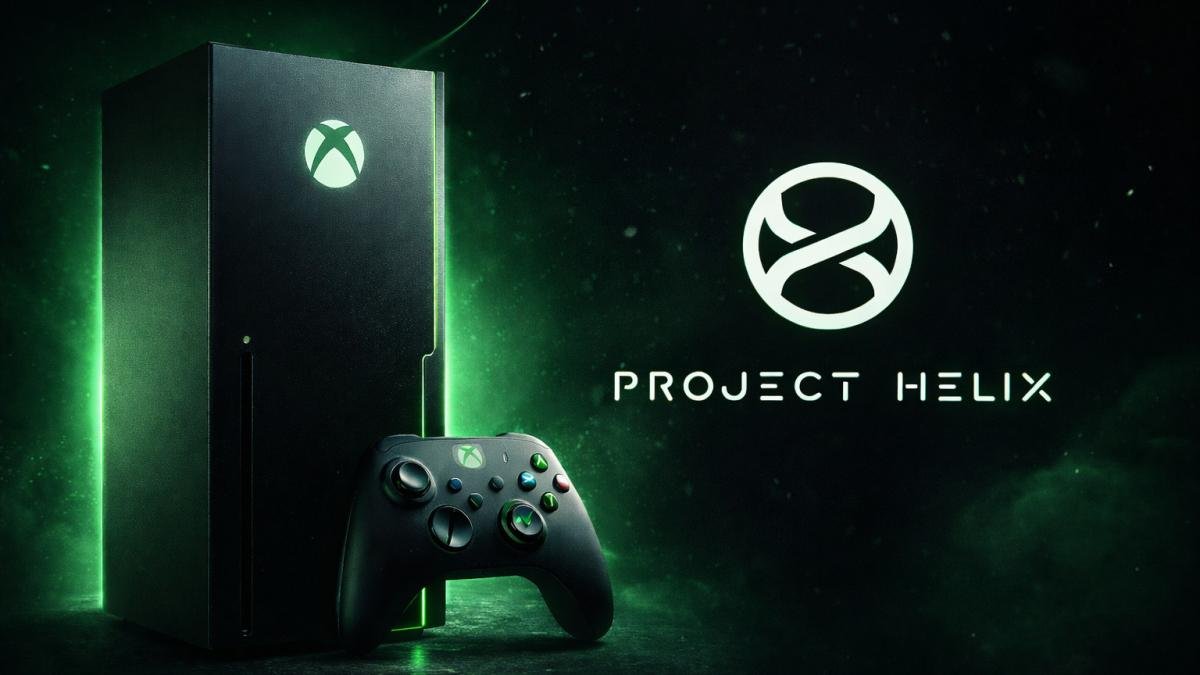
Microsoft is quietly pushing Xbox toward a future where the word “console” may no longer describe a single piece of hardware.
The company has been expanding its strategy beyond the traditional battle between Xbox and PlayStation, bringing more games to other platforms while simultaneously developing new hardware. The result is a very different Xbox from the one Microsoft built around the original console wars.
For decades, buying an Xbox meant choosing a specific machine. You bought the console, connected it to your television and built your gaming library around Microsoft’s ecosystem.
That model is changing.
Microsoft has increasingly focused on making Xbox an ecosystem rather than simply a box underneath your TV. Xbox games can now reach PCs, cloud services and competing platforms, while Game Pass has become one of the company’s most important ways of distributing games.
The strategy is simple: Microsoft wants players to stay inside Xbox even if they don’t necessarily own an Xbox console.

That sounds like a small distinction, but it could completely reshape the gaming industry.
The traditional console business depends on hardware sales. Companies sell consoles, subsidize the hardware and then make money from games, subscriptions and accessories.
Microsoft increasingly has another option.
Instead of asking, “How many Xbox consoles can we sell?”, the company can ask, “How many people can we bring into Xbox?”
That audience could be playing on a television, a gaming PC, a handheld device or through the cloud.
And that is where Microsoft’s next generation of hardware becomes particularly interesting.
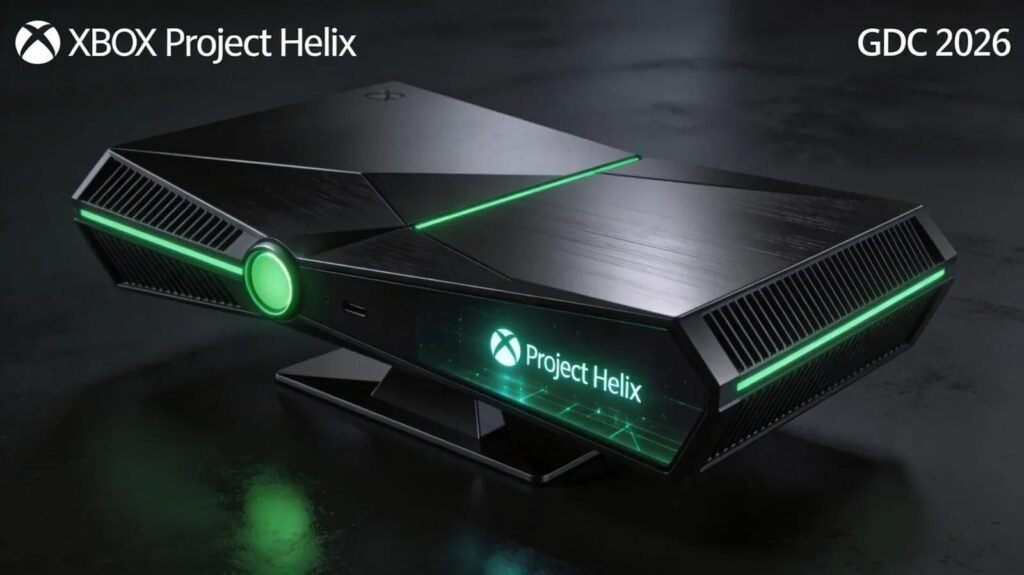
The company has already confirmed that it is working on next-generation Xbox hardware, while also developing a broader family of devices designed to work across the Windows and Xbox ecosystems.
The traditional console cycle is therefore becoming less important.
Gamers no longer necessarily need to wait seven years for a completely new machine before receiving meaningful improvements.
Instead, Microsoft can build an ecosystem in which different devices access the same games, accounts and services.
A powerful living-room console could sit at the top of the range.
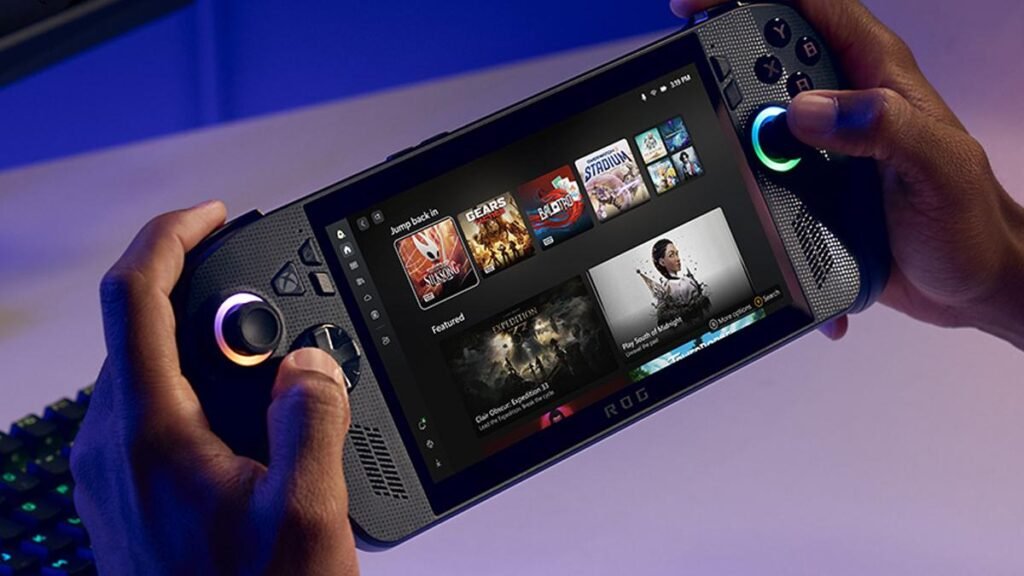
A handheld could offer portable gaming.
A Windows PC could provide maximum performance.
Cloud gaming could allow users with less powerful hardware to access the same ecosystem.
The game becomes the constant.
The hardware becomes interchangeable.
That is a major shift.
It also explains why Microsoft’s recent decisions have attracted so much attention from gamers.
When major Xbox games appear on other platforms, some longtime fans question whether Microsoft is weakening its own console.

But from Microsoft’s perspective, the calculation is different.
A game sold on another platform can still generate revenue.
A Game Pass subscriber can remain an Xbox customer without owning an Xbox.
And every player who creates an Xbox account becomes part of Microsoft’s larger gaming ecosystem.
That is closer to the strategy used by companies such as Netflix or Spotify than the traditional console model.
The product is no longer the device.
The product is the service.
This could eventually force Sony and Nintendo to rethink their own strategies.
Sony still places enormous importance on PlayStation hardware and exclusive games, although it has also expanded aggressively into PC and live-service gaming.
Nintendo remains even more focused on its own hardware and software ecosystem.
Microsoft is moving in a different direction.
It is betting that the future of gaming will be defined less by which box sits under your television and more by whether you can access your games wherever you are.
For players, there are obvious advantages.
A gamer could potentially buy a single game and continue playing it across multiple devices. Progress can follow the player. Friends can remain connected across platforms. Hardware upgrades become less disruptive.
But there is also a risk.
If hardware becomes less important, gaming companies may become increasingly dependent on subscriptions and digital services.
That could give Microsoft enormous influence over how games are distributed and monetized.
There is another major question: performance.
Cloud gaming has improved dramatically, but it still cannot completely replace powerful local hardware for every player. Competitive gamers care about latency. Enthusiasts want high frame rates. PC players want graphical control.
That means dedicated hardware isn’t disappearing tomorrow.
Instead, the industry appears to be moving toward a hybrid model.
Powerful hardware for demanding players.

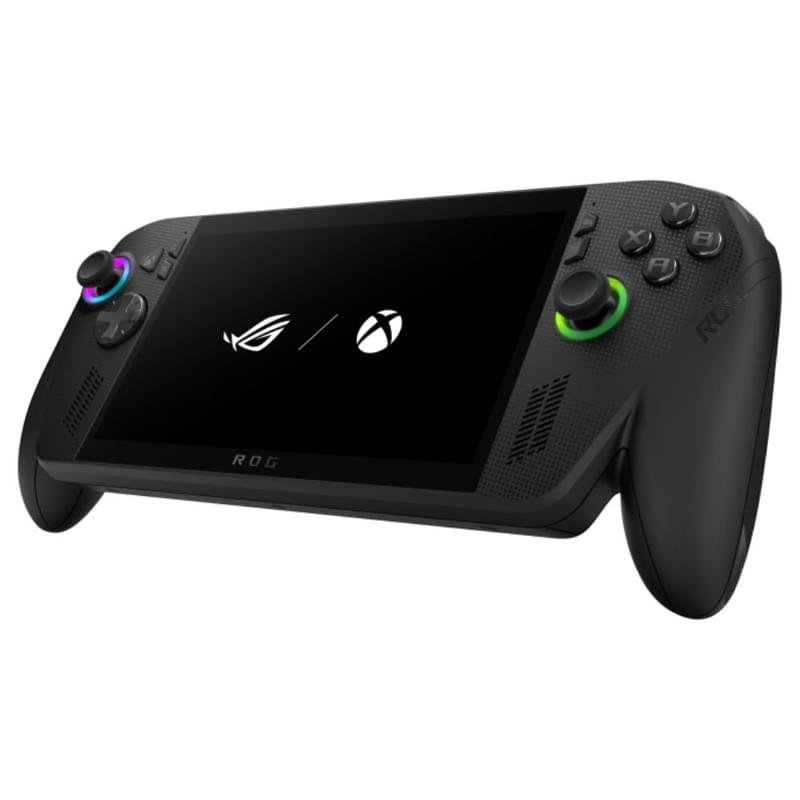
Affordable devices for casual players.
Handhelds for portability.
Cloud gaming for accessibility.
And one account connecting everything.
That may ultimately be Microsoft’s biggest advantage.
Xbox is becoming less like a console and more like a network.
And if the strategy succeeds, Microsoft could sell fewer traditional consoles while reaching far more gamers.
That sounds contradictory.
But it could be exactly the point.
The next Xbox may not be Microsoft’s most important product.
The Xbox ecosystem might be.
And if Microsoft succeeds, the next generation of gaming won’t be defined by which console wins.
It will be defined by whether gamers even care which device they are using.
TheTechSpot verdict: Microsoft’s biggest gaming experiment isn’t another console. It’s the idea that Xbox can become a platform that follows the player everywhere. If that works, the traditional console war may slowly become something very different.