easy ways to get more range out of your EV
Modern electric vehicles have come a long way since range anxiety was an actual concern. These days, EV makers have to clear an EPA-verified range of at least 300 miles to be taken seriously. Sorry, Fiat 500e. Some EVs even boast a range closer to 500 miles. Still, for longer road trips or if you plan to be passing through an EV charging desert, it might make sense to try some techniques to squeeze a little more range out of your EV’s battery. Beyond the typical ways to get more mileage out of cars in general, here are five ways to keep your EV going for longer between charging.
Take advantage of regenerative braking
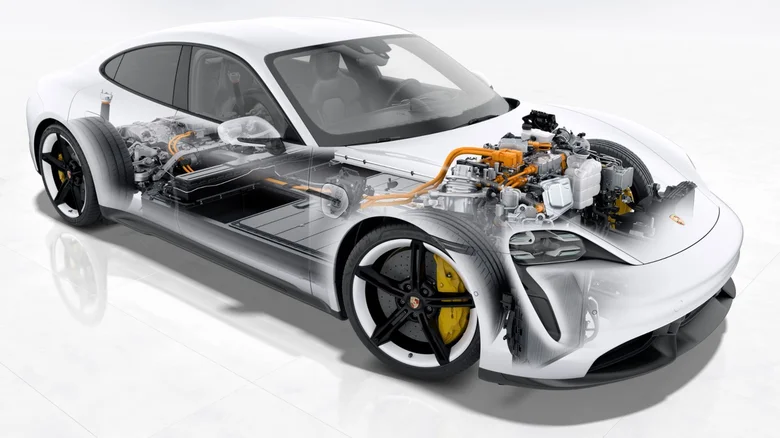
Instead of wasting all the kinetic energy generated from braking like in traditional internal combustion engine cars, hybrids and EVs can capture all that potentially lost energy and convert it into electricity that powers its battery. Each EV maker has its own way of doing regenerative braking, but the general idea is that the electric motors that propel the EV forward can also act as a generator that captures the electricity generated from slowing down.
In cases where emergency braking isn’t needed, regenerative braking will step in and create small bursts of battery charge and bumps in EV range. It’s hard to say exactly how many more miles you’ll get thanks to this, but the US Department of Energy said that regenerative braking results in 22 percent energy recovery for EVs in combined city and highway driving.
Easy ways to get more range out of your EV
Precondition the Cabin While Still Plugged In
The heaviest strain on your battery isn’t always the electric motor—it’s the climate control system. Cranking the air conditioning on a hot afternoon or blasting the heater on a freezing morning can slash your range by 10% to 20%.
The Fix: Use your EV’s smartphone app to start the climate control 10–15 minutes before you leave while the car is still plugged into your home charger. This uses grid electricity to bring the cabin to a comfortable temperature, leaving 100% of your battery capacity dedicated exclusively to driving.
Chill on the AC
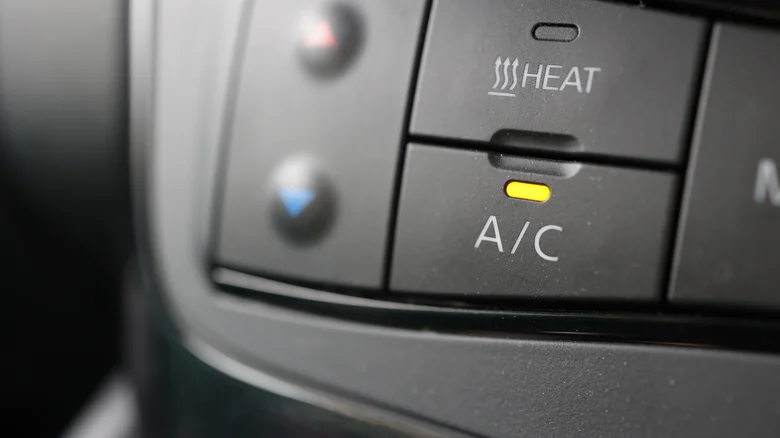
Unlike older gasoline-powered cars that use a compressor to power the air conditioning, an EV will rely on its battery to pump cold air into the cabin. That means EVs are using the same power source that supplies you with both air conditioning and range.
These little tricks will help you spend more time driving instead of charging.
Instead, you may want to precondition your EV while it’s still plugged into an outlet at home. This way, all the heavy lifting of getting your cabin to the right temperature will be drawn from the power outlet and not the EV’s battery. Of course, you’ll still have to rely on the battery to keep you cool while driving, but it won’t have to work as hard to get down to the perfect temps. Alternatively, you could employ basic techniques like using sun shades, flushing out the stale air by rolling down the windows, or even opt for ventilated seats instead of turning on the AC.
Avoid driving in the cold
Avoid driving in the cold
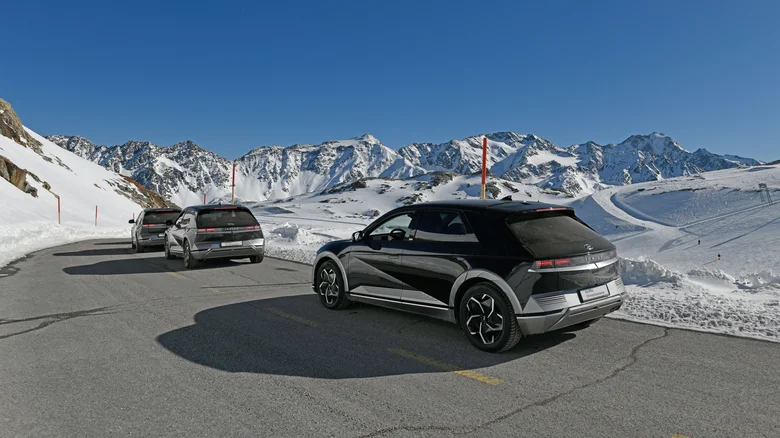
On the other end of the thermometer, extreme cold weather conditions can also impact your EV range. In the winter, cold temperatures can slow down the chemical reactions in your EV battery that produce power. According to the Department of Energy, freezing temperatures can affect EV range by up to 32 percent.
Consumer Reports did real-world tests that showed that cold weather of around 16 degrees can reduce an EV’s range by about 25 percent when driving at 70 mph, compared to driving in the same conditions but on a day in the mid-60 degrees. Just like running the AC on a summer day, driving in the frigid weather may cost you some range through needing to pump heat into the cabin, too.
Get rid of the junk in your trunk
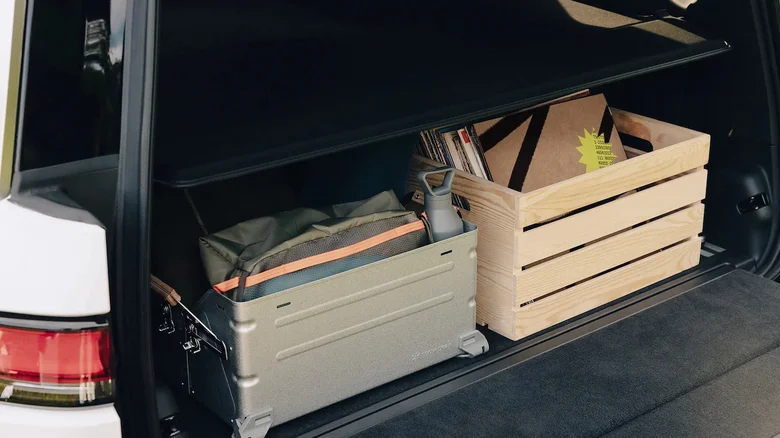
While aerodynamics affects all cars and how efficiently they drive, it’s a major contributing factor to how EVs calculate their range. Less drag means more range, which is why many EV makers boast about their low drag coefficient numbers, like the Lucid Air and its 0.197.
Considering that, it’s important to remove any accessories from your EV that would affect its aerodynamics, including roof racks, bike racks, tonneau covers or crossbars. To eke out even more range, you can try to keep your trunk clean since any additional weight will also reduce your EV’s efficiency.
Tame the need for speed
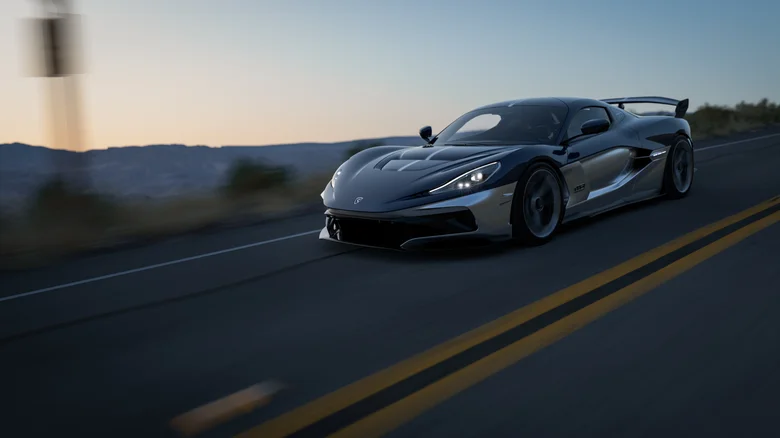
As much as all EV drivers want to show off their rapid acceleration, it’s better to not have a lead foot when it comes to maximizing range. When you floor the accelerator, your EV has to burn a significant amount of power to achieve that burst of speed. If you add up that inefficient acceleration at every single intersection, you may end up spending more time charging your EV in the long run.
To get more range out of your EV, it’s better to coast on cruise control or tap into your EV’s eco mode. On top of that, the faster you go, the more air resistance you introduce. In tests conducted by Car and Driver, driving at 55 mph and at 75 mph contributed to more than 100 miles of range lost with the Kia EV9.
Ease Off the Highway Speed Limits
Aerodynamic drag increases exponentially the faster you go. Driving at highway speeds requires your electric motor to work significantly harder against wind resistance.
The Fix: Dropping your highway cruising speed just slightly—for example, from 130 km/h down to 110 km/h—can improve your vehicle’s energy efficiency by up to 20%. Relying on cruise control on flat, long stretches also helps prevent subtle, range-sapping fluctuations in speed.
Swap Cabin Heat for Heated Seats & Steering Wheels
Traditional gas cars use recycled engine heat to warm the cabin. EVs don’t have that luxury; they have to generate heat using electricity from the main battery.
The Fix: Instead of keeping the climate control set to a high temperature, drop it down to a mild level and turn on your heated seats and heated steering wheel instead. Heating your body via direct contact uses a fraction of the energy required to heat the entire volume of air inside the car.