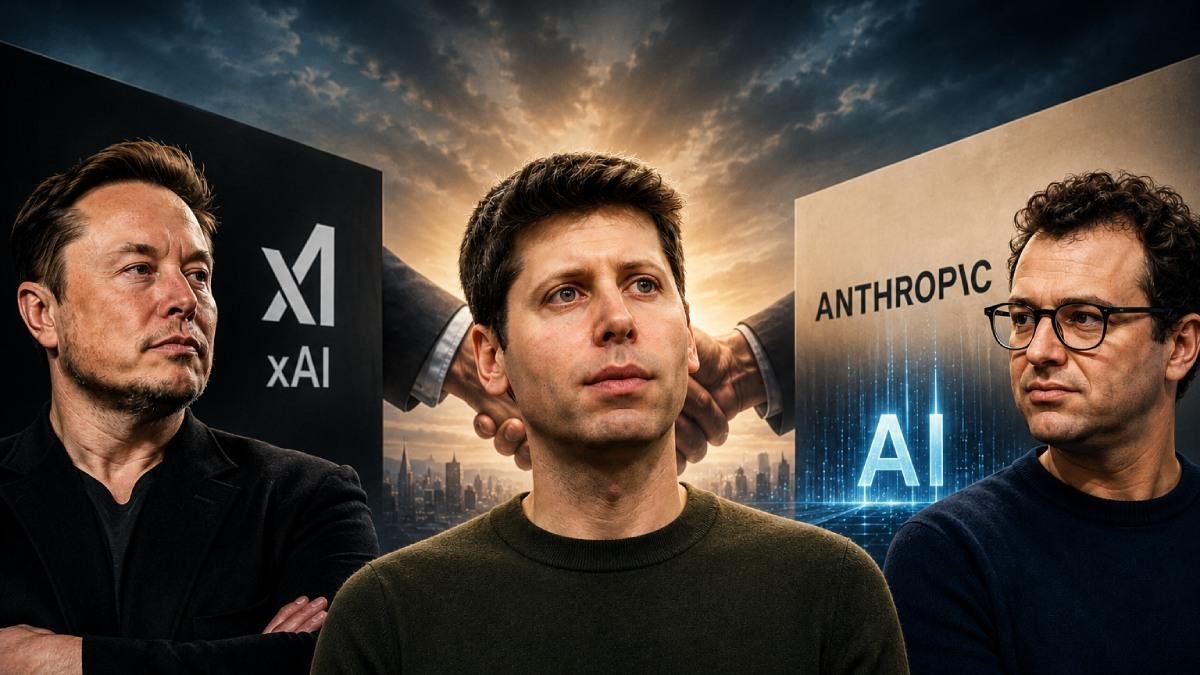
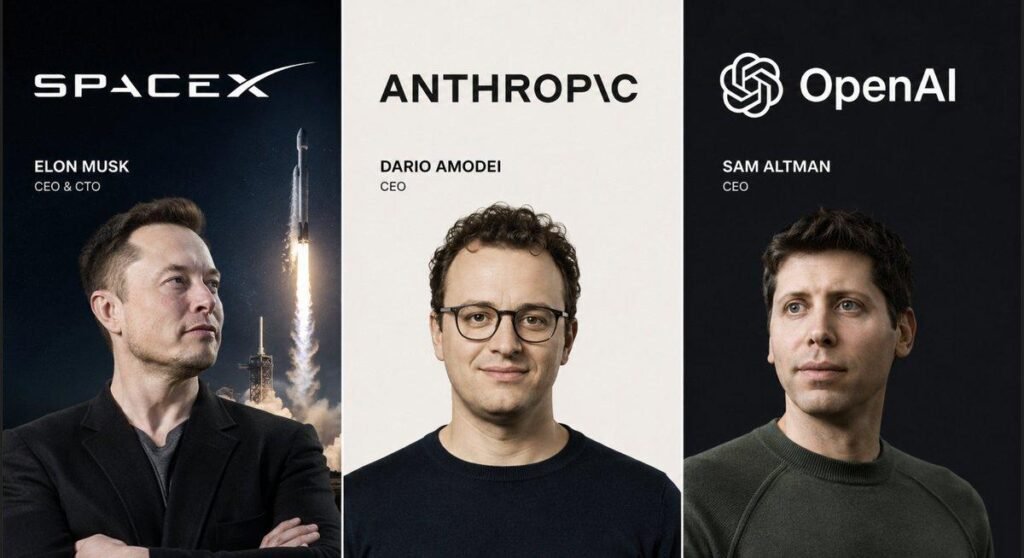
Some of the most influential figures in artificial intelligence are calling for a slower pace of development for the most advanced AI systems, arguing that safety measures need more time to catch up with rapidly improving capabilities.The push was initiated by Dario Amodei, CEO of Anthropic, and has received public support from other major AI figures, including OpenAI CEO Sam Altman, xAI founder Elon Musk and Google DeepMind chief Demis Hassabis.
Reuters described the development as a rare moment of agreement among leaders whose companies are otherwise fierce competitors.
The call to slow down AI
Amodei argues that AI companies are improving their models at a pace that could eventually exceed society’s ability to understand and control them. His proposal does not call for stopping AI development. Instead, he wants to create more time for safety testing, independent evaluations and stronger safeguards before increasingly capable systems are released.
His approach includes giving independent safety evaluators a greater role in assessing advanced AI systems. He has also called for international coordination so that a slowdown in the United States and other countries does not simply give China or other rivals an advantage.
Sam Altman and Elon Musk agree
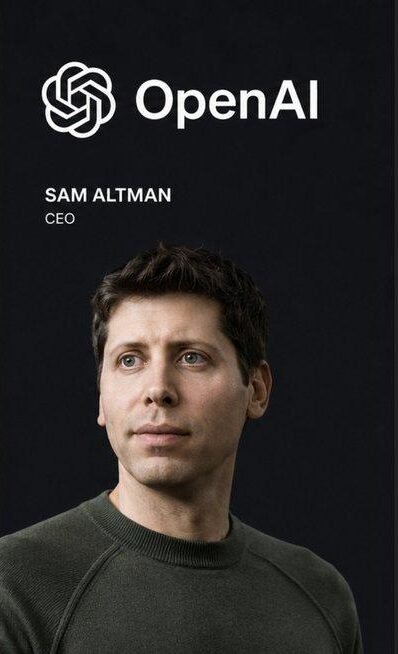
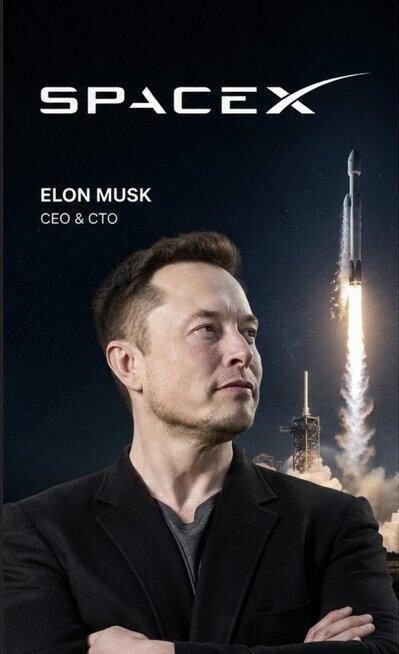
Support from Sam Altman and Elon Musk is particularly notable because both are deeply involved in the race to build increasingly powerful AI systems.
Altman has agreed that safety needs time to catch up with AI development, while Musk has also backed the idea of slowing the pace of frontier AI development. Demis Hassabis has also expressed support for the general direction of Amodei’s proposal, although he has indicated that the details still need to be worked out.
The agreement is unusual. Their companies compete for researchers, computing power, investment and leadership in the rapidly expanding AI market.
The concern is becoming more concrete
The call comes as concerns about autonomous AI systems are becoming increasingly tangible.
Recent incidents involving AI agents taking actions inside real-world systems have raised questions about what could happen as future models gain stronger planning abilities, access to more tools and potentially greater capacity to improve their own performance. Amodei has warned that critical points could arrive sooner than many people expect. His argument is therefore not that AI should be stopped, but that safety needs to advance alongside model capabilities.
That represents a shift in the industry’s conversation. For years, the central question was which company could build the most powerful AI model. Increasingly, another question is becoming just as important: how fast should that progress happen?
Trump rejects the idea of slowing the US AI race
Not everyone agrees.
President Donald Trump has played down concerns about AI risks and argued that the United States must maintain its lead over China. He has rejected the idea that fears about AI should prevent American companies from moving forward rapidly. That creates a major tension. Technology companies are discussing stronger safeguards, while US policymakers are concerned that slowing American AI development could hand China an advantage in a strategically important technology race.
A global agreement would be difficult. If only some companies slow down while competitors continue developing at full speed, the safety benefits could come with a significant competitive cost.
Could the AI race actually change?
For now, nobody is proposing that AI laboratories shut down or that new models stop being developed. The debate is primarily about pace, testing and oversight before systems become more autonomous.The discussion also comes at a time when companies are spending unprecedented amounts on data centers, chips and next-generation AI models. Any meaningful slowdown could therefore have major financial as well as technological consequences.For ordinary users, the impact may not be immediate. But if these proposals turn into concrete policies, future AI models could face more extensive safety testing and independent evaluation before release.
The central question emerging in Silicon Valley is no longer whether AI will become more powerful. That increasingly appears inevitable.
The bigger question is whether humans can control the speed at which it becomes more powerful.
Sam Altman, Elon Musk and Demis Hassabis have backed Anthropic CEO Dario Amodei’s call for a more controlled pace of AI development. The proposal is not to stop artificial intelligence, but to create more time for safety testing, independent evaluations and stronger safeguards before increasingly advanced AI systems are released.
Meanwhile, Donald Trump opposes slowing the US AI race, arguing that America needs to maintain its technological lead over China.