The Tech Spot Editorial Team
South Korea is preparing for a new phase of autonomous transportation. Chinese autonomous-driving company Pony.ai has reached a strategic agreement with South Korean mobility company FutureLink to introduce up to 200 Level 4 robotaxis in the country by 2028.
The deployment will begin in Seoul, where the vehicles will undergo certification before the service expands to additional parts of the capital and eventually other cities. The initial phase will involve 10 vehicles for certification, followed by another 190 once the regulatory process is completed.

This is significant because the project is not simply a technology demonstration. The companies are planning a commercial service built around vehicles capable of operating without a human driver inside approved operating zones.

Seoul Will Be the Starting Point

The service is expected to begin in Gangnam, one of Seoul’s busiest and most technologically advanced districts.
That location matters. Gangnam combines heavy traffic, construction zones, complex intersections, pedestrians and large numbers of vehicles. For an autonomous driving system, such an environment represents a considerably tougher challenge than a controlled test track.
FutureLink says it has already tested Pony.ai’s technology in Gangnam using Kona Electric vehicles equipped with the company’s autonomous-driving system. According to the company, the vehicles covered approximately 80,000 kilometers without an accident during day-and-night testing.
If certification proceeds as planned, operations will begin in approved areas of Seoul before expanding across the city, the wider metropolitan area and eventually other Korean cities.
A Robotaxi Designed for Autonomy From the Factory
One of the most interesting elements of the project is the vehicle architecture itself.
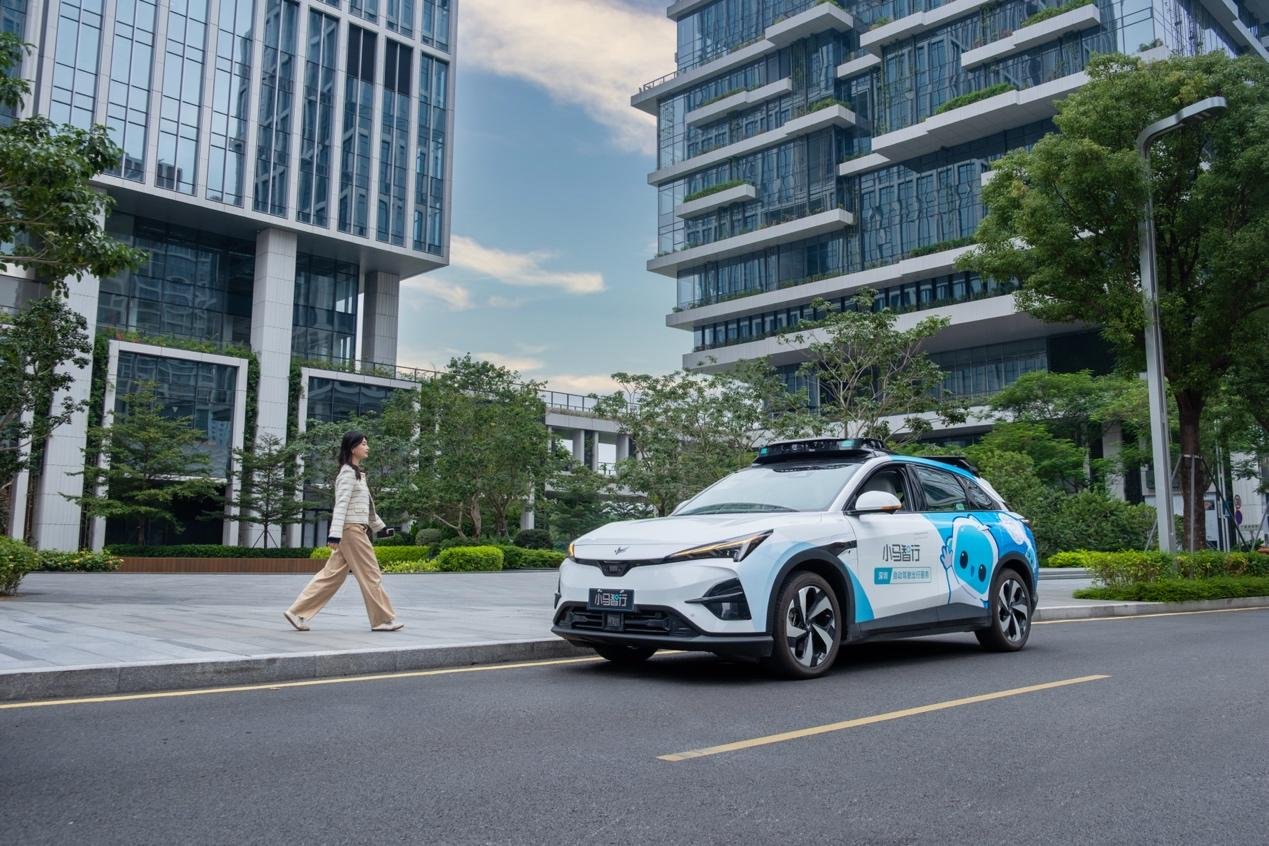
The robotaxis will be based on a vehicle produced by BAIC Group, with Pony.ai’s seventh-generation autonomous-driving system integrated during production.

That is different from the traditional approach of modifying an existing vehicle later by adding sensors, computers and autonomous-driving hardware.

According to the company, the vehicle uses redundant systems for critical functions including braking, steering and power. The architecture is designed to maintain control even if an important component experiences a failure.
The Technology Is Becoming Cheaper

Cost could be just as important as technology.
Pony.ai says its seventh-generation autonomous-driving system costs around 70% less to produce than its previous generation. The company plans to reduce production costs further during 2026.
Its medium-term target is to bring the combined cost of the autonomous-driving system and base vehicle below 230,000 yuan, roughly $34,000, in China by the middle of 2027.
If those targets are achieved, the economics of robotaxi operations could change significantly. An autonomous vehicle does not only have to be safe; it also needs to be affordable enough to operate as a profitable commercial service.
That is one of the industry’s biggest challenges: moving from expensive prototypes to fleets that can function as sustainable businesses.
Pony.ai Already Operates Driverless Services in China

Pony.ai is not starting from scratch.
The company already operates fully driverless Level 4 robotaxi services in Beijing, Shanghai, Guangzhou and Shenzhen. In Shenzhen, its robotaxis averaged approximately 23 paid orders per vehicle per day in February, according to company data reported in connection with the project.

That experience will be important in South Korea, where the system will need to adapt to local regulations, road infrastructure and traffic conditions.
FutureLink will play a central role. The Korean company will handle certification, market entry, operations, service management, data management and localization.
The two companies are also considering creating a joint venture in South Korea after the certification process is completed.
China’s Automotive Technology Push Is Expanding
The project also has a broader industry dimension.
Chinese electric-vehicle and mobility companies are expanding their presence in South Korea. Pony.ai’s arrival takes that competition beyond vehicles and batteries and into software, artificial intelligence and autonomous mobility services.
That creates a new challenge for Korean automakers. Competition is no longer limited to who can build the best vehicle. Increasingly, companies are competing over the computer systems, software and AI models controlling the vehicle.
Korean manufacturers are responding as well. Hyundai, for example, is developing its own autonomous-driving technologies while pursuing strategies that could allow its vehicle platforms to serve future autonomous-mobility companies.
Safety and Data Will Be Critical
As autonomous vehicles enter major cities, data becomes another major issue.
Robotaxis continuously collect information through cameras, sensors, maps and other systems. That data can be extremely valuable for improving autonomous-driving algorithms.
The companies involved in the Korean deployment have said that data collected domestically will remain in the country and will not be transferred overseas.
That issue is likely to remain important during the certification process, particularly because the technology is being supplied by a Chinese company operating on South Korean roads.
A Step Toward Cities Without Drivers
If the project proceeds as planned, Seoul could have a significant fleet of driverless Level 4 robotaxis by 2028.
That does not mean traditional taxis will suddenly disappear. But deploying 200 autonomous vehicles would provide a major real-world test of how a large city can integrate driverless transportation into everyday life.
For Pony.ai, South Korea represents another step in its international expansion. For Korea, it is a test of how quickly its mobility market can adapt to technology moving from controlled demonstrations into real commercial services.
If certification is successful, Seoul could become one of Asia’s most important markets for next-generation robotaxis.
And in this race, the winner may not simply be the company that builds the best autonomous vehicle.
It may be the company that best combines AI, safety, cost, software and real-world operations.
The Tech Spot Editorial Team
Slug: pony-ai-200-robotaxis-south-korea-2028
Meta Description: Pony.ai plans to bring 200 Level 4 driverless robotaxis to South Korea by 2028, starting in Seoul’s Gangnam autonomous-driving zone.